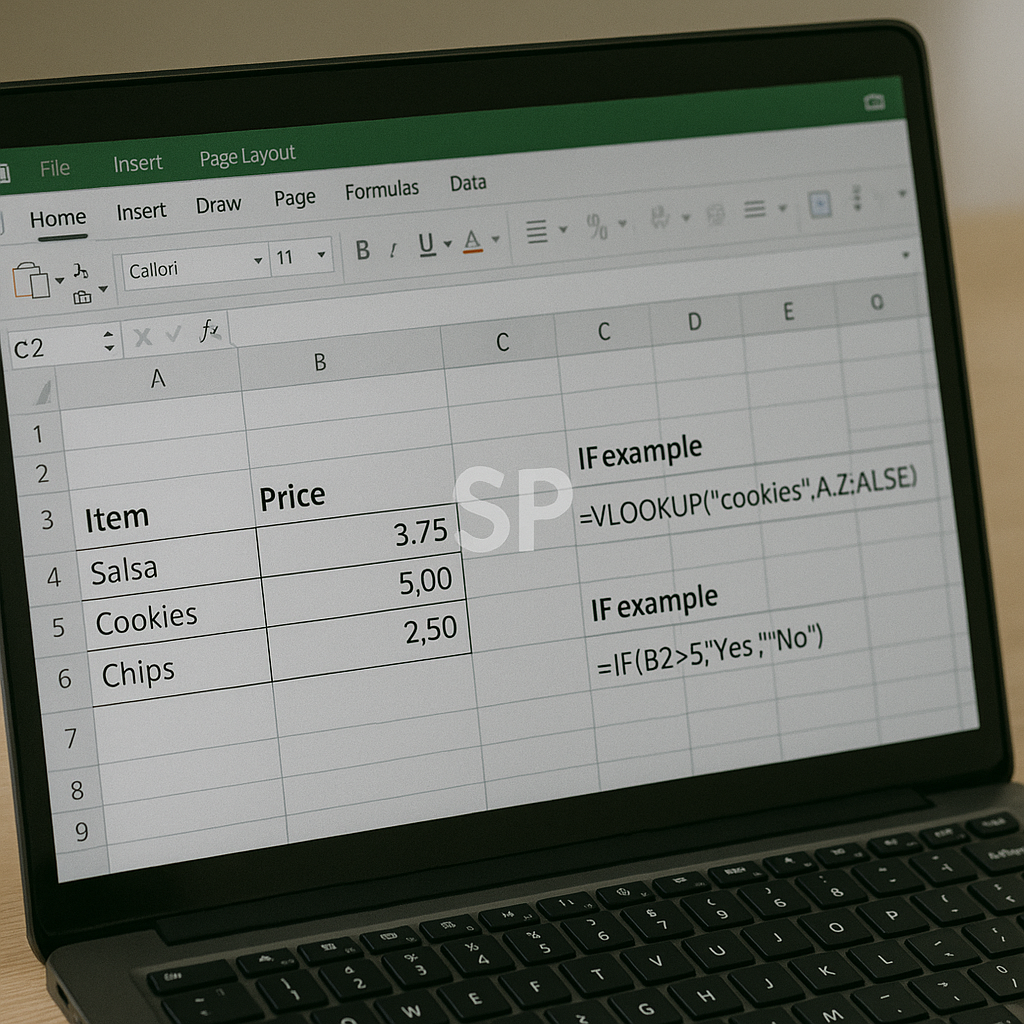
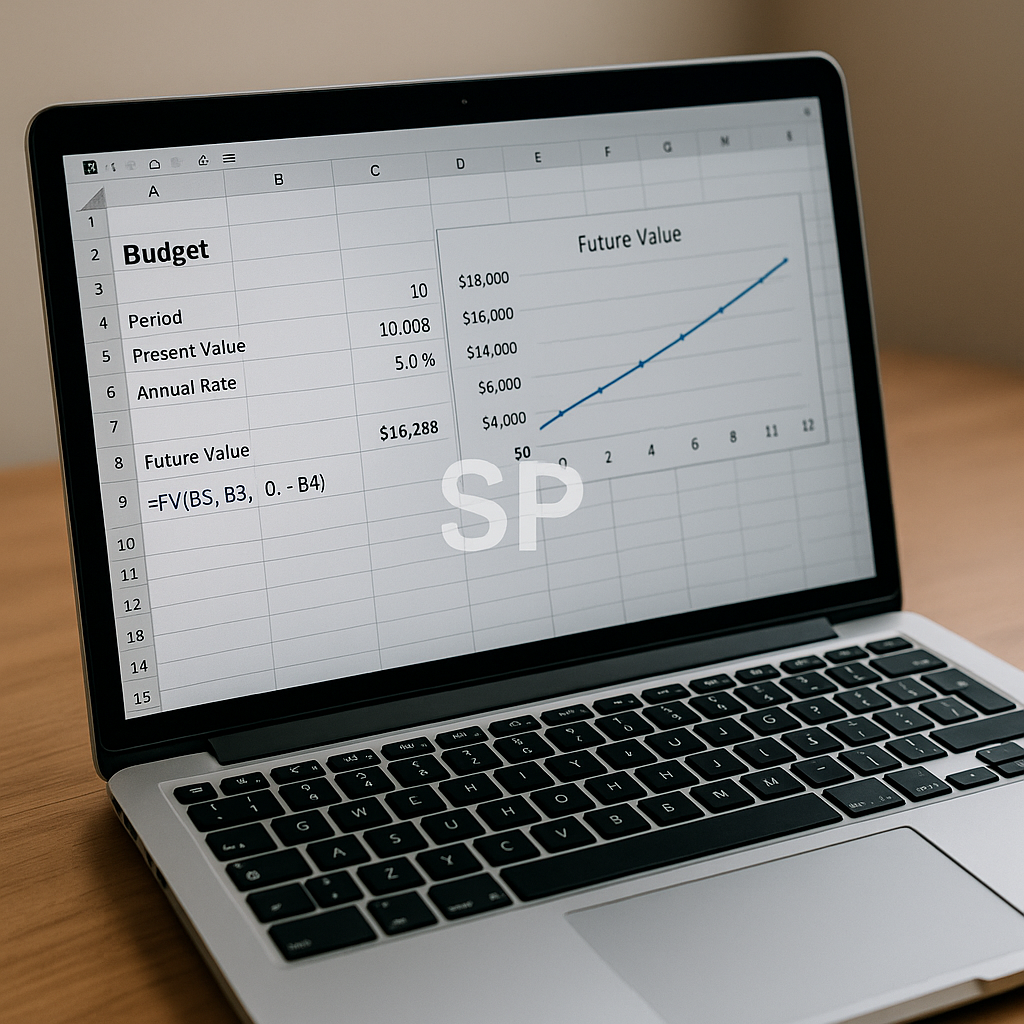
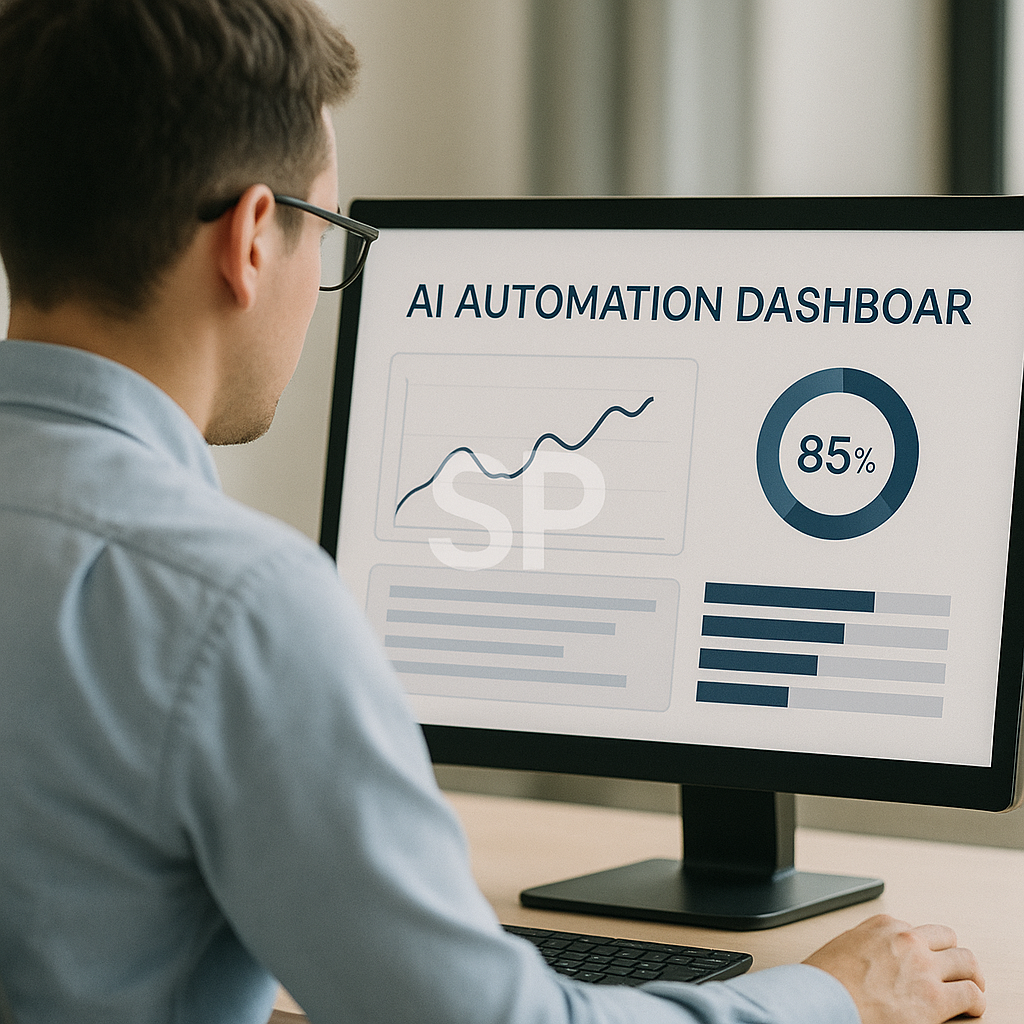
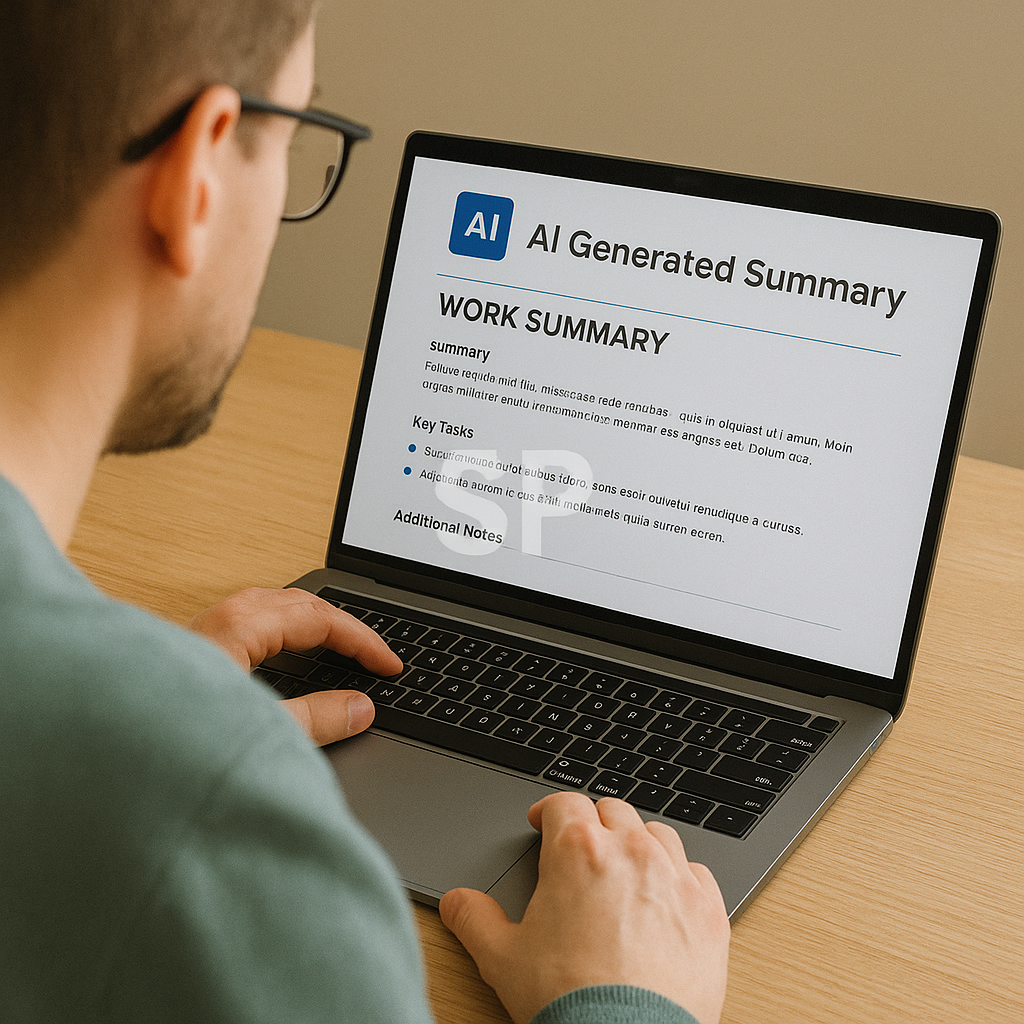
There are days when your schedule feels like an endless loop of tiny decisions — checking emails, updating spreadsheets, moving files, sending reminders… and somehow, those “five-minute tasks” steal two or three hours without warning. Many people assume productivity is about trying harder, focusing more, or forcing discipline. But in reality, the biggest performance jumps come from workflow automation, a system where the work moves forward even when you’re not actively thinking about it. And once that shift happens, your entire relationship with time changes.

It usually starts with a small moment of frustration: an overdue report you thought you already filed, a missed message buried under notifications, or the feeling that your day is busy but strangely unproductive. I’ve seen countless professionals describe this as “invisible leakage.” They’re technically working nonstop, yet they gain little momentum because their workflow is fragmented. Workflow automation exist to repair exactly this kind of structural inefficiency—by giving your routine a predictable rhythm that eliminates unnecessary decision-fatigue.
What surprises most people is that automation isn’t about replacing everything with AI… it’s about removing friction from tasks you repeat dozens of times a week. When an automated routine handles your reminders, file organization, data extraction, or follow-up messages, your brain finally stops juggling micro-tasks in the background. Instead, your attention returns to deep work—the type of work that actually creates results. And interestingly, people often report a sense of calm they didn’t expect. Not excitement, not adrenaline—just quiet clarity.
A common example is email triage. Professionals often lose 30–90 minutes a day sorting emails, tagging clients, sending the same three replies, moving attachments into folders, and marking tasks in their to-do list. But with AI-powered rules and a simple Zapier or Make automation, these processes can run instantly. One designer I worked with shaved 11 hours per month by automating only four email flows. What mattered wasn’t the tool itself but the psychological difference: he stopped starting his day in a reactive mode. That alone increased his creative output by almost 30%.
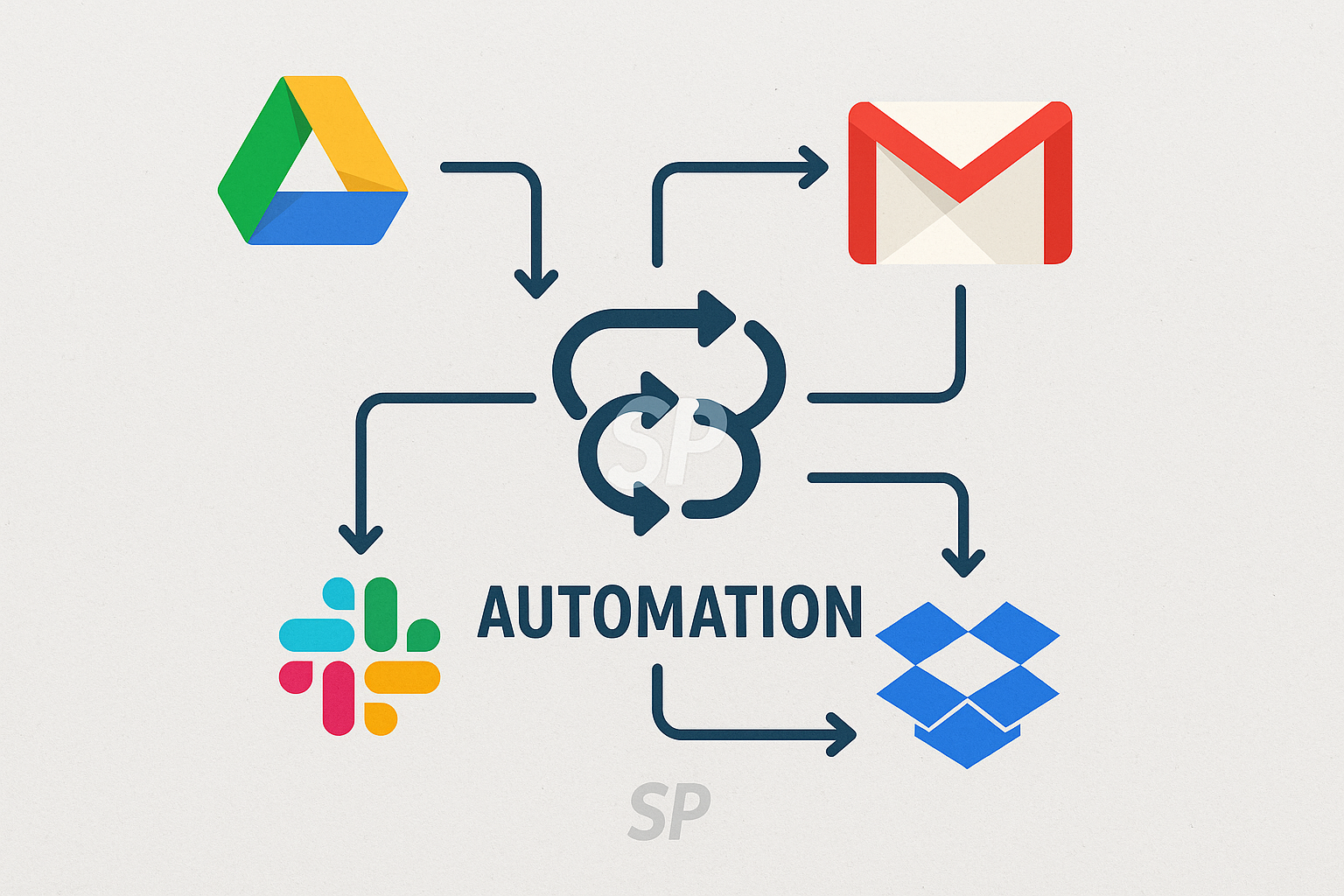
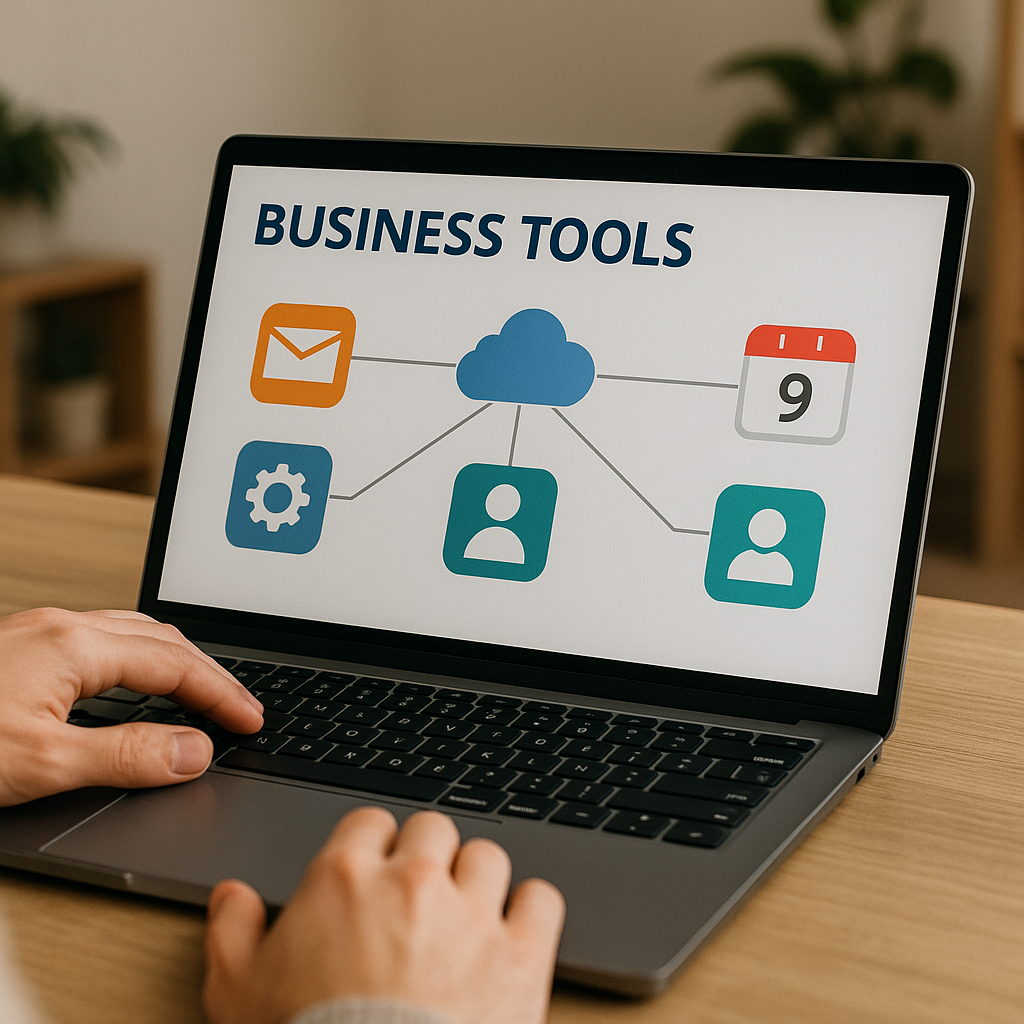
Another overlooked area is cross-platform syncing, where important information gets scattered across notes, chats, calendars, and drive folders. When your systems don’t talk to each other, your mind tries to compensate—and that’s where stress builds. Automation creates an invisible network behind your day: update a task in one place, and every connected space updates automatically. This prevents duplication, reduces human error, and gives you something incredibly rare for modern workers: a single source of truth.

One of my favorite strategies is designing trigger-based routines. Instead of thinking, “I need to remember to do this,” you let the system detect an event and handle the next step automatically.
When a client uploads a file → notify team + archive + create task
When revenue hits a threshold → generate report + update dashboard
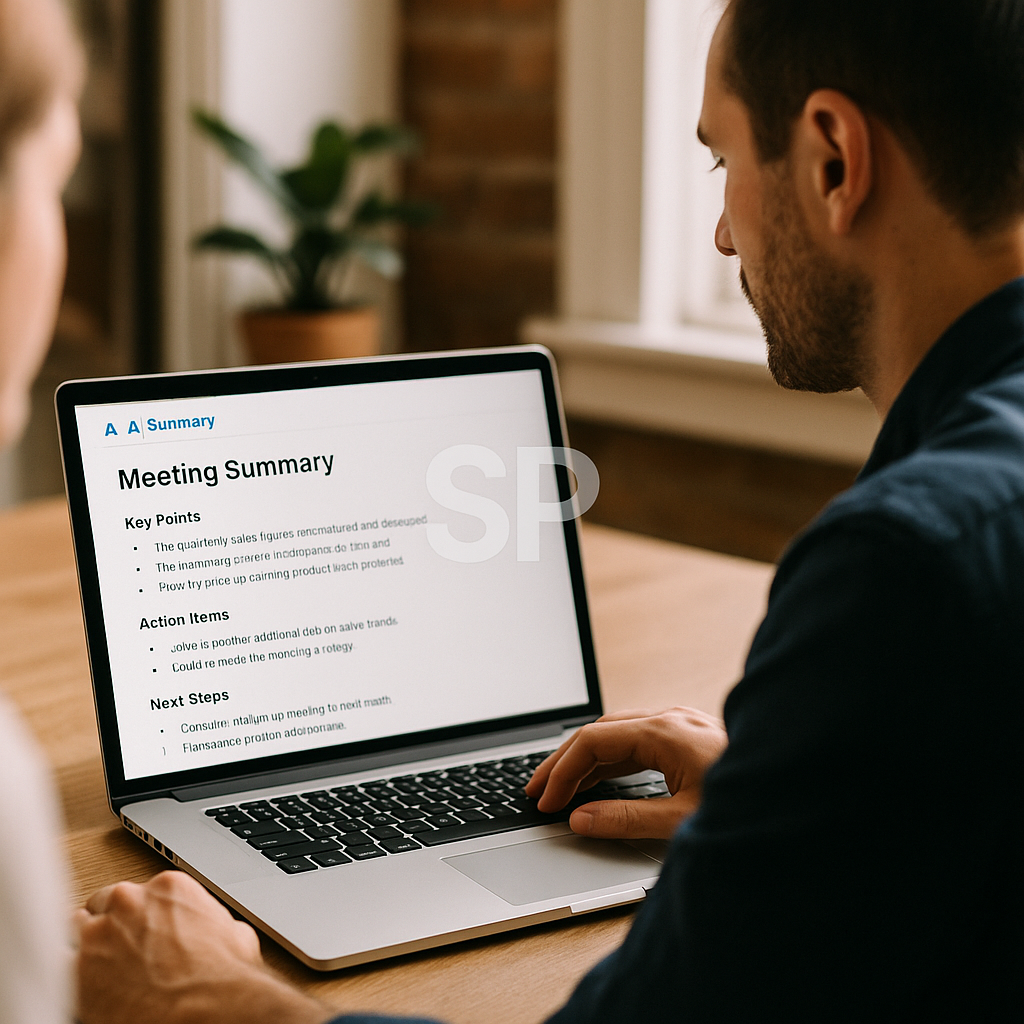
When meeting ends → auto-send summary + assign action items
These are tiny adjustments but their cumulative impact is massive. People who adopt trigger-based automation often say, “It feels like I hired an assistant who never gets tired.”
Of course, automation isn't about removing human decision-making. It's about preserving it for the work that matters. When you free yourself from routine maintenance, something interesting happens: your creative thinking improves, and your problem-solving becomes sharper. You stop reacting to your day and start intentionally shaping it. In fact, studies show workers who automate their repetitive tasks report higher job satisfaction, because automation removes the “mental clutter” that often leads to burnout.
But the most transformative benefit is that automation makes your workflow predictable. Predictability creates emotional stability, and stability creates consistency. And consistency—not motivation—is what builds long-term success. When your routine runs on rails, you no longer rely on willpower to maintain productivity. The system carries you.
If you're new to workflow automation, a good starting point is to map the top 10 tasks you repeat weekly. You’ll quickly notice patterns: similar email structures, repeated file names, recurring handoffs, identical data formatting. These patterns form the blueprint of your automation. And once you automate even 20–30% of them, your time frees up in ways that feel almost unfair.
But here’s the unexpected part: automation doesn’t just change your work… it changes how you think about work. You begin questioning old habits, noticing inefficiencies you once ignored, and designing your days with more intention. This mindset shift is the real upgrade. Tools help, but the routine you build around them—that’s what elevates your entire lifestyle.
If you’ve ever wondered, “Where is all my time going?” automation is the answer. And if you’ve ever wished your day felt lighter, smoother, or more spacious… automation is also the answer. Tell me—what part of your workflow feels the most chaotic right now? Your answer might be the perfect place to begin building your automated routine.
The interesting thing about workflow automation is that it rarely begins with technology—it begins with a feeling. A feeling that your workdays are slipping through your fingers, that tasks repeat without progress, or that you're constantly switching contexts without accomplishing the things that genuinely matter. Many professionals don’t realize this early stage is actually the perfect moment to build an automation-first system. Once you recognize the “noise” in your day, you're already halfway to designing a system that removes it.
A powerful concept in automation is the “event-to-outcome” chain. Instead of treating each task as a separate responsibility, you map how one action should naturally trigger the next step. Imagine completing a meeting and instantly seeing a summarized note, task assignments, a follow-up schedule, and a shared folder already created for the project. No cognitive switching, no writing summaries, no searching for files. The work flows forward without demanding emotional energy. This is where automation becomes more than convenience—it becomes a mental architecture that supports clarity.
Many users start small by automating transitions:
When a PDF is uploaded → rename automatically → store in the correct folder → notify the right person
When a lead fills out a form → create CRM entry → assign team → send intro email
When expenses are logged → categorize → update spreadsheet → generate monthly report
These micro-automations don’t look revolutionary on paper, but their emotional impact is enormous. Every manual step you remove eliminates a potential decision point, and research repeatedly shows that fewer decisions lead to higher focus, better problem-solving, and longer periods of sustained concentration.
Another overlooked benefit of workflow automation is how it builds personal operating systems. People often assume productivity tools are the system—but tools are just instruments. The system is the repeatable rhythm behind your day. For example, having AI rewrite meeting notes doesn’t matter unless those notes automatically sync into projects, trigger reminders, and resurface when relevant. True automation is not about single tasks; it’s about the continuity between tasks.
Workers who adopt robust workflows often describe a feeling of lightness, like their days have fewer sharp edges. They no longer scramble to remember deadlines or chase missing assets because the system “reminds” them at exactly the right moment. And once trust builds between you and your automated routine, your mental load decreases dramatically. This is one of the biggest, least discussed gifts of automation: emotional predictability.
You also begin to understand your own work patterns in a new way. Automation exposes the structure of your job by showing which tasks truly matter and which ones can be delegated to systems. You start noticing bottlenecks, unnecessary approvals, delayed handoffs, or inconsistent naming habits that slow projects down. Automation teaches you to design—not just operate—your workflow.
A compelling transformation happens after a few months of consistent automation:
people start gaining strategic thinking time.
This is the time you use to redesign processes, solve higher-level problems, learn new skills, or improve creative output. Work shifts from maintaining momentum to generating momentum. One marketing manager shared that automation freed enough weekly hours for him to experiment with A/B tests, which increased conversions by 18%—something he had wanted to try for two years but never had mental space for.
And although many people fear that automation will make their routines impersonal, the opposite often occurs. When the mechanical parts of your job run automatically, you have more space for genuine human interactions—thoughtful communication, creative ideation, mentoring teammates, or improving client experiences. Automation clears space for work that feels meaningful.
If you want to push automation further, consider integrating AI-driven decision layers. These don’t just execute rules; they evaluate conditions:
If email sentiment is urgent → notify immediately
If data spikes beyond threshold → adjust workflow route
If client behavior changes → trigger different follow-up flow
These dynamic workflows evolve with your needs, creating a system that grows more intelligent over time.
One of the most valuable exercises is conducting a workflow audit every quarter. Review what’s working, what feels heavy, and what automation can absorb next. Most people are surprised to learn that 40–60% of their weekly tasks contain repeatable logic. And once that logic is automated, your daily workload compresses into a leaner, more intentional version of itself.
In the long run, workflow automation builds something far more powerful than efficiency: it builds self-trust. Days stop feeling chaotic. Tasks stop falling through cracks. Your time becomes measurable, reliable, and aligned with actual priorities. The system supports you, not the other way around.
If you could automate just one part of your routine starting today, what would it be? That answer might reveal the exact point where your next breakthrough is waiting.