AI Productivity Hacks: Smarter Workflows for a Balanced Life
This week has been packed with deadlines, and it reminded me how often people struggle to stay focused while juggling multiple tasks. In 2025, the reality is simple: traditional productivity tips aren’t enough anymore. What we need are smarter tools. That’s where AI productivity hacks come into play. Instead of just working harder, these hacks help us work more strategically, freeing time for creativity, rest, and even joy.

Automating Repetitive Tasks
One of the easiest AI productivity hacks is automating tasks you repeat every day. Think about scheduling meetings, drafting emails, or formatting reports. With AI assistants, those tasks are no longer manual. I tested this by letting an AI tool manage my calendar invites—it instantly removed hours of back-and-forth emails each month.
Smarter Note-Taking and Summaries
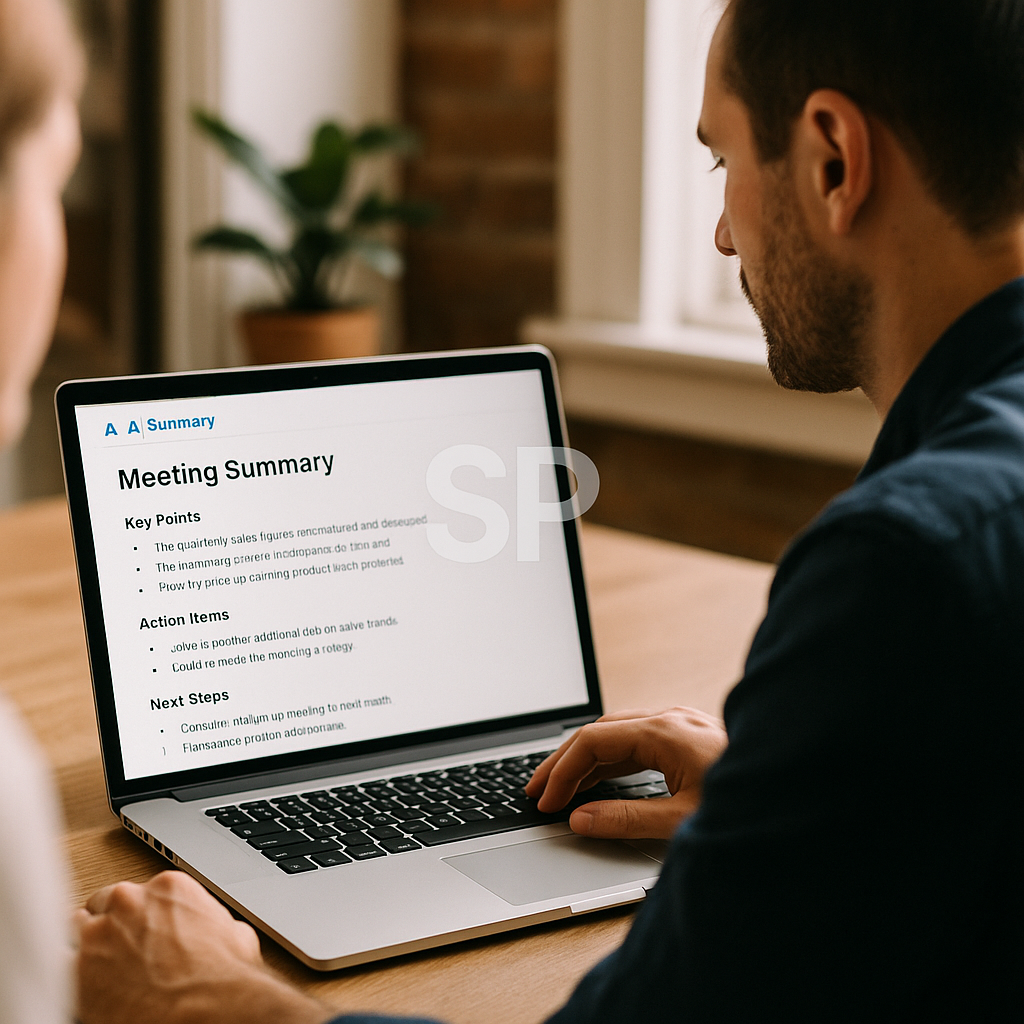
Gone are the days of frantically typing during meetings. AI tools now record, transcribe, and summarize discussions in real time. That means you can stay engaged without worrying about missing details. A friend who runs a remote team said this single hack saved him nearly five hours weekly.
Personalized Workflows
The beauty of AI is personalization. Instead of generic advice, you get suggestions tailored to your habits. If you tend to check emails late at night, your assistant might nudge you to batch them in the morning. These nudges feel small but compound into healthier routines. Over weeks, your digital life feels lighter and more intentional.
Integrating AI into Creative Work
Many still believe AI only works for data-heavy tasks, but it’s increasingly supporting creative workflows. Writers use it for brainstorming, designers for generating variations, and marketers for testing campaign ideas. Think of AI not as a replacement but as a brainstorming partner that never gets tired.
Real-Life Stories
A remote worker I know struggled with constant context switching—jumping between tasks all day. After adopting AI productivity hacks, he used an AI app to schedule deep work blocks. The result? His daily output doubled, but he finished earlier and felt less drained.
Another example: a student preparing for exams used AI to create customized study guides from lecture notes. Instead of endless highlighting, she spent time actually learning.
Things to Keep in Mind
Of course, no hack is perfect. Over-relying on automation can make you passive. It’s important to strike a balance: let AI handle the repetitive, while you focus on judgment, strategy, and human connection.
Final Thoughts
The real magic of AI productivity hacks isn’t about doing more in less time—it’s about designing a workflow that feels sustainable. By automating the boring, personalizing your habits, and freeing energy for meaningful work, you reclaim your day. And when work feels lighter, life outside of it grows richer too. 🌍⚡
The other day I found myself staring at my to-do list, wondering how it had gotten so long. That’s when I realized: it’s not about how much work I have, but how I manage it. And that’s exactly where AI productivity hacks shine. They don’t erase responsibilities, but they transform how we approach them.

One underrated aspect of these tools is the way they reduce mental clutter. When your AI assistant automatically categorizes emails, reminds you of deadlines, or even summarizes yesterday’s notes, you no longer waste precious focus switching contexts. That shift is subtle but powerful. Many nomads and remote workers I’ve spoken with say that this single change has been the difference between finishing on time and burning out.
Another benefit is adaptability. Unlike rigid productivity systems, AI apps evolve with you. Let’s say you’re prone to procrastination on Monday mornings. After a few weeks, the app recognizes this trend and suggests starting the week with smaller, easier tasks. Over time, these personalized nudges build healthier patterns. It’s like having a coach who quietly adjusts your routine in the background.
I’ve also noticed how AI integrates into daily living, not just work. A friend of mine uses an AI journaling app that highlights recurring moods tied to workload. When he noticed his stress peaked every Thursday, he shifted big projects to earlier in the week. That insight didn’t just save his deadlines—it improved his well-being. This shows how AI productivity hacks are less about squeezing in extra tasks and more about aligning work with energy levels.
Still, there are limits. Some people fall into the trap of letting AI do everything and lose touch with the “why” behind their work. Balance is key. Automation should clear the noise, not replace intention. You still need to decide which goals matter most. AI won’t tell you what fulfills you—it just gives you more time to find out.
What stands out most is how small actions compound. Automating a single recurring task may save five minutes a day, but over a year, that’s days of reclaimed time. Add in smarter scheduling, habit nudges, and creative support, and suddenly you’ve freed enough energy to start that side project or simply rest without guilt.
💡 A closing thought: Productivity isn’t about cramming more into your hours—it’s about reclaiming hours for what matters. If you experiment with even one AI hack this week, pay attention not just to your output, but to how you feel. Chances are, the biggest gift won’t be efficiency, but the sense of breathing room you create for yourself.
'Productivity Tools & Apps' 카테고리의 다른 글
| “From Chaos to Flow: Best AI Productivity Tools to Automate Your Work in 2025” (1) | 2025.09.05 |
|---|---|
| Best AI Productivity Tools for Remote Work Automation 2025 (0) | 2025.09.04 |
| Lifestyle Automation with AI: Smart Routines for Everyday Productivity (0) | 2025.09.02 |
| AI Productivity Tools for Daily Workflow Automation (0) | 2025.08.27 |
| AI Automation Tools for Smarter Productivity (0) | 2025.08.23 |