AI Productivity Tools for Daily Workflow Automation
When was the last time you felt overwhelmed by endless repetitive tasks? Emails piling up, schedules scattered across multiple apps, and small but time-consuming chores taking away your focus. This is exactly where AI productivity tools shine. By building a daily automation routine, you can not only save hours each week but also free up your energy for creative and meaningful work. Let’s explore how AI can transform ordinary routines into smart, effortless workflows. :)
Automating Scheduling and Meetings
One of the most exhausting tasks for knowledge workers is scheduling. Tools like Calendly integrated with AI assistants can automatically suggest available time slots, sync across multiple calendars, and even adjust for different time zones. Imagine skipping those back-and-forth emails entirely! Some newer platforms also analyze your work rhythm and propose the best time of day for meetings, helping you preserve your most productive hours.
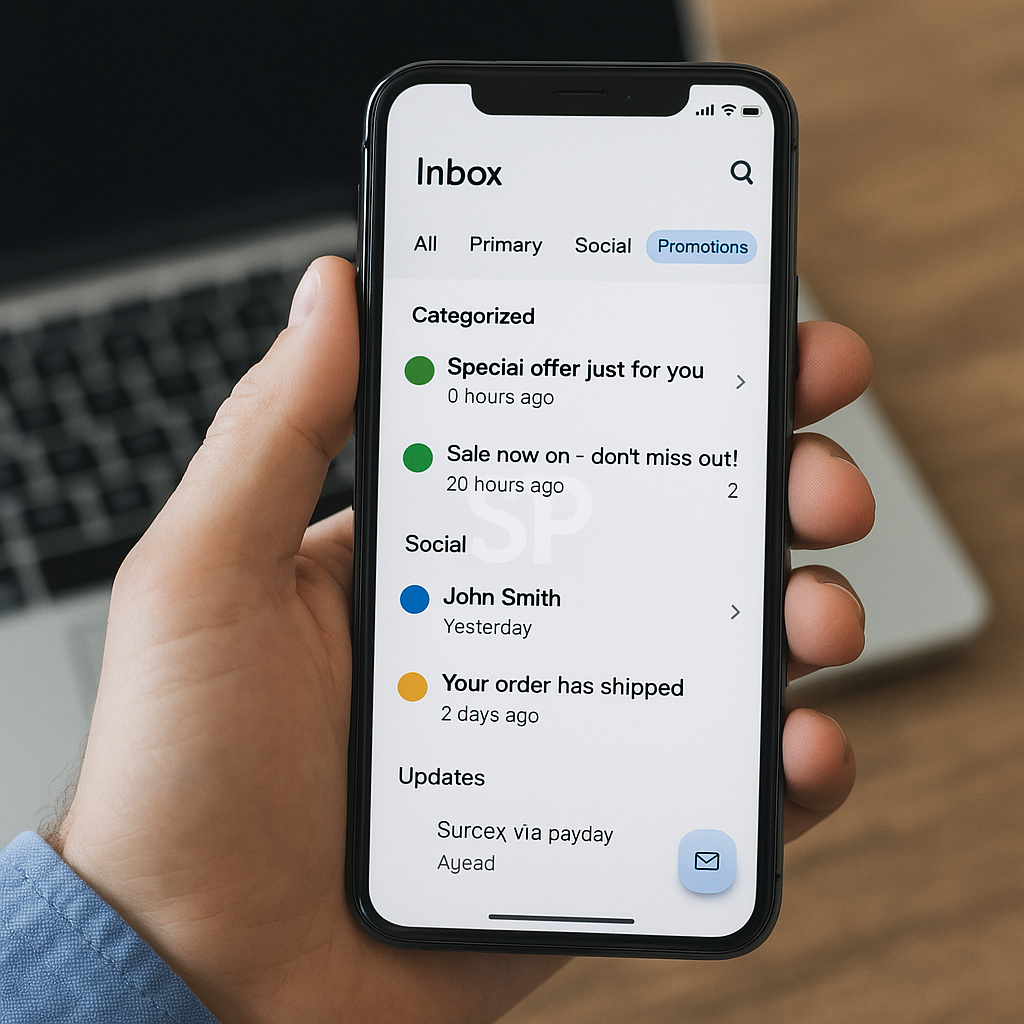
Smart Email Management with AI Filters
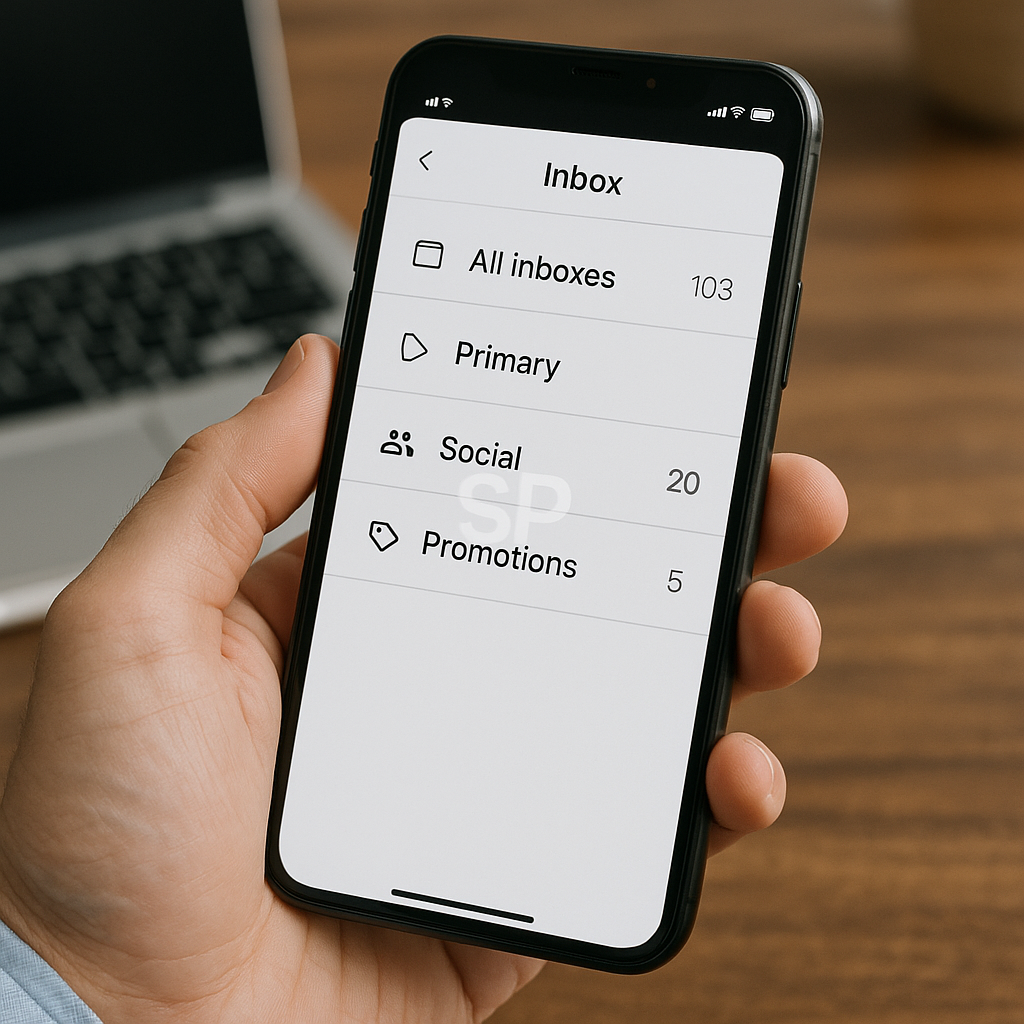
Inbox zero may sound impossible, but with AI-driven email tools it becomes realistic. Services that classify priority messages, summarize long threads, or auto-generate draft replies are changing how professionals handle communication. For example, AI tools can detect urgent client requests and bring them to the top while pushing promotional emails to the bottom. The key is consistency: once the filters are trained, they get smarter every week.
Automating Research and Data Gathering
How much time do you spend just collecting information? AI research assistants now scan multiple sources, summarize key insights, and present them in structured formats. Instead of manually browsing 10 tabs, you can ask a tool to deliver the highlights directly. This is especially powerful for freelancers or remote workers who need quick insights to make decisions. A digital nomad planning a trip, for example, can have an AI app instantly compare visa rules, coworking spaces, and average living costs across cities.
Streamlining Content Creation
Writers, marketers, and entrepreneurs often struggle with the blank page. AI content tools now support idea generation, outline structuring, and even multimedia suggestions. While the human touch is still essential for authenticity, automation removes the heavy lifting. For instance, repurposing a single article into social media snippets or converting meeting notes into blog drafts is no longer a week-long task. It’s an afternoon job with AI support.
Lifestyle Hacking with AI Routines
Automation doesn’t stop at work. Imagine an AI-linked smart home that lowers your blinds, sets the right playlist, and adjusts the room temperature when it’s time to focus. Or a fitness app that personalizes workout suggestions based on your daily energy patterns. These routines may feel small, but together they create a seamless environment where you naturally perform better. It’s not just productivity—it’s life design powered by AI. ^^
✨ Extra Insight: Mistakes to Avoid
Many people dive into AI automation expecting instant perfection. But over-automation can backfire if you don’t keep human oversight. Start small—maybe automate only your scheduling or file management. Test, adjust, and scale up gradually. Remember, the goal isn’t to replace your judgment but to amplify it.
💡 The future belongs to those who design their routines intentionally. By blending AI productivity tools with lifestyle hacking, you create a sustainable system that saves time, reduces stress, and leaves room for creativity. Why not start with one simple automation today and feel the difference tomorrow?
Expanding on the idea of AI productivity tools, let’s dive deeper into how they shape not just work but also mindset. One of the underestimated impacts of automation is the way it changes decision-making. When repetitive choices are removed, mental energy is preserved for tasks that actually matter. Imagine waking up and not worrying about which emails to answer first or what your day’s schedule looks like because those things are already sorted. That sense of clarity is a hidden but powerful benefit of building AI-driven routines.
The psychological effect of automation is also worth mentioning. People often feel overwhelmed not by the size of a task but by the number of small interruptions in their day. By letting AI tools batch notifications, prioritize incoming requests, or even suggest focus blocks, you experience fewer context switches. This isn’t just about saving five minutes here and there—it’s about protecting deep work time, the moments when creativity and problem-solving thrive.
For freelancers and digital nomads, AI routines can become a form of stability in otherwise chaotic environments. Traveling from city to city means adjusting to different cultures, time zones, and working conditions. But an AI system that standardizes how you track expenses, manage projects, or communicate with clients creates continuity. You might be working from a café in Lisbon today and a co-working hub in Bali next week, yet your digital routine feels the same. That consistency builds professional trust and personal confidence.
Another exciting application is in health and wellness. AI-powered wearables now monitor not only steps and calories but also stress levels, sleep quality, and recovery needs. The data isn’t just collected; it’s interpreted. You may get a gentle reminder to take a walk after sitting too long or a suggestion to adjust your bedtime because your body signals fatigue earlier than usual. Integrating these cues into daily routines creates a healthier balance between ambition and self-care.
Let’s not forget the collaborative aspect. Teams using shared AI platforms often find that communication friction is reduced dramatically. Instead of arguing over meeting notes, the AI generates an accurate summary. Instead of each person hunting for documents, the system surfaces the right file instantly. Over time, this builds a culture where people spend less energy on logistics and more on strategy. In other words, automation doesn’t just improve individual workflows—it transforms how groups function together.
Critics sometimes argue that relying too heavily on AI makes us passive. That risk is real, but it depends on how you use the tools. If you see AI as an autopilot to completely take over, you might lose critical thinking skills. But if you see it as a co-pilot, offering options while you stay in control, then automation becomes empowering. It’s like driving a modern car: lane assist and cruise control make the journey smoother, but you’re still holding the wheel.
Perhaps the most compelling reason to adopt AI routines now is scalability. As your career grows, tasks multiply. What feels manageable today could become overwhelming tomorrow. Building automation habits early prepares you to scale without burning out. Think of it as designing a future-proof lifestyle, where extra responsibilities don’t automatically mean extra stress.
Ultimately, the purpose of AI productivity tools isn’t efficiency for its own sake. It’s about creating more space for the work and life experiences that bring joy and meaning. Whether that’s starting a side project, spending more time with loved ones, or simply having quiet moments for yourself, automation is the silent partner making it possible. The best routines are invisible—they run in the background so you can focus on living fully in the foreground.
'Productivity Tools & Apps' 카테고리의 다른 글
| Best AI Productivity Tools for Remote Work Automation 2025 (0) | 2025.09.04 |
|---|---|
| Lifestyle Automation with AI: Smart Routines for Everyday Productivity (0) | 2025.09.02 |
| AI Automation Tools for Smarter Productivity (0) | 2025.08.23 |
| AI Task Manager: Turning Chaos Into Clear Routines (0) | 2025.08.22 |
| AI Productivity Tools That Actually Work (2) | 2025.08.21 |