AI Workflow Automation Tools for Personal Productivity: 5 Proven Methods
Managing tasks every day can feel overwhelming when dozens of apps, notifications, and deadlines compete for our attention. Many people start their mornings already behind schedule, juggling emails, meetings, and personal commitments. That’s where AI workflow automation tools for personal productivity come in. They are not just fancy tech buzzwords, but practical helpers that simplify daily routines and save precious hours 😊.

In this article, I’ll share five proven methods to incorporate these tools into your lifestyle so you can focus less on repetitive work and more on what truly matters.
1. Automating Repetitive Emails ✉️
Instead of manually responding to the same questions, AI tools can draft or even auto-send replies based on your tone and preferences. Imagine using an AI assistant that recognizes patterns in your inbox and prepares answers before you even start typing. This reduces email fatigue and ensures faster response times without losing that personal touch.
2. Smart Scheduling and Calendar Sync 📅
Gone are the days of back-and-forth messages to set a meeting. AI scheduling tools analyze your availability, time zones, and workload, then automatically propose the best slots. Some even connect directly with video conferencing apps. This way, you avoid overlapping events and reduce the mental clutter of “when are you free?” conversations.
3. Task Prioritization with AI Insights ✅
When your to-do list has 20 items, deciding where to start can waste valuable time. AI-driven apps can rank your tasks based on urgency, deadlines, and even your personal energy patterns. For example, if you’re most focused in the morning, the system pushes deep work first, leaving lighter tasks for later in the day. This leads to smarter time allocation and a sense of accomplishment earlier.
4. Document Summarization and Note-Taking 📄
AI workflow automation isn’t only about tasks; it’s also about processing information faster. Tools that summarize reports, highlight meeting notes, or even turn spoken conversations into structured outlines are becoming essential. With this, you don’t waste hours digging through long documents — instead, you act directly on the insights.
5. Routine Data Management Made Simple 📊
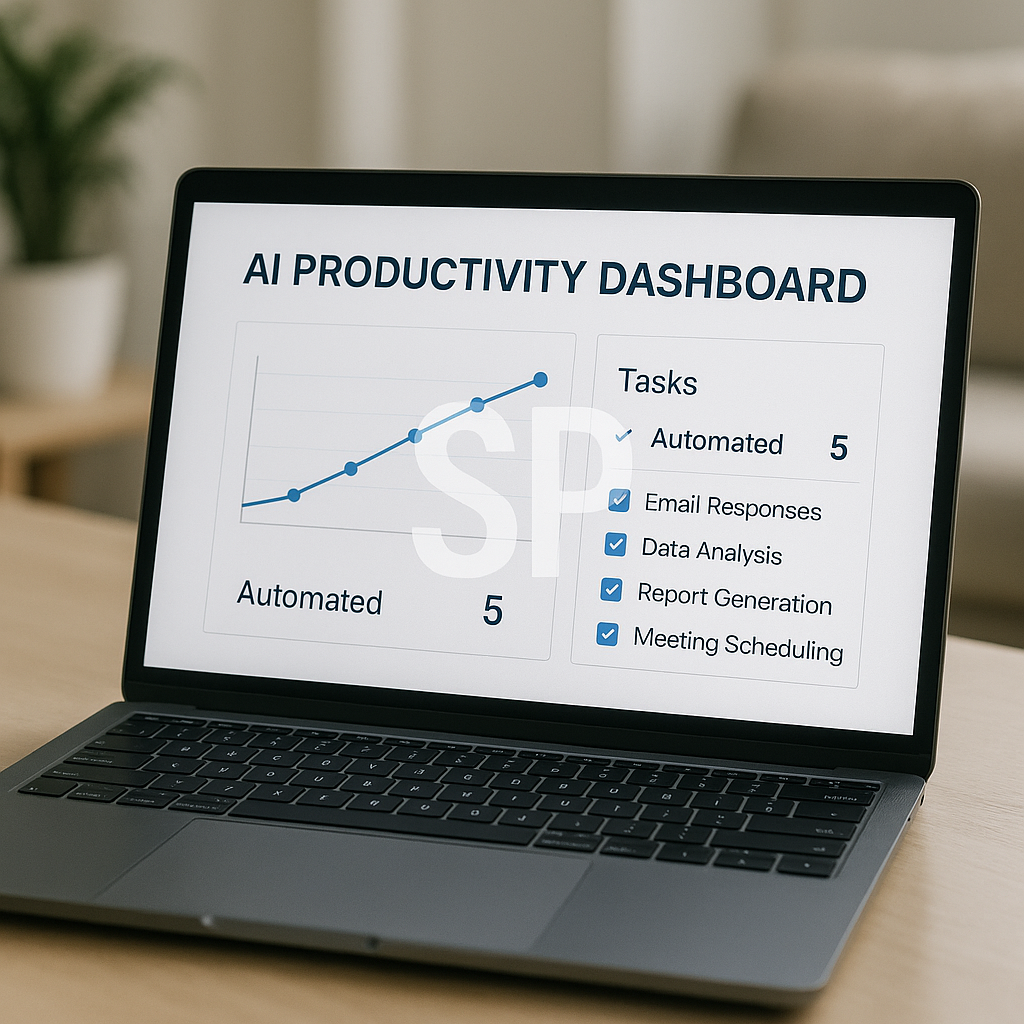
From expense tracking to project dashboards, AI can pull data from multiple platforms and present them in one clear view. Think of it as a personal analyst always ready to provide insights. This not only reduces errors but also empowers you to make quick, informed decisions without switching between ten different apps.
Final Thoughts 🌟
The best part about adopting AI workflow automation tools for personal productivity is that they grow with you. Start small — automate your emails or scheduling — then gradually expand into data and document workflows. Over time, you’ll notice less stress, smoother routines, and more energy for creativity. Isn’t that exactly what productivity should be about?
In the main article, we looked at how AI workflow automation tools can transform everyday productivity routines. Now, let’s go one step further and explore how these tools actually fit into real life. It’s one thing to hear about automation in theory, but it’s another to understand how it changes the way people manage time, reduce stress, and improve overall efficiency.

The biggest strength of AI workflow automation tools for personal productivity lies in their ability to simplify complexity. Many people feel overwhelmed by the number of platforms they use daily—email, messaging apps, cloud storage, project boards. Jumping from one app to another drains both time and focus. By integrating these systems into one automated workflow, users experience a sense of clarity. For example, when your notes automatically sync to your task manager and your calendar sends reminders without extra clicks, you can finally focus on the content of your work instead of the mechanics of organizing it.
A particularly powerful impact comes from reducing “decision fatigue.” Every day, we make countless small decisions—what to reply first, when to schedule meetings, how to prioritize tasks. These micro-decisions seem harmless, but they build up and consume mental energy. Automation reduces this burden by structuring information in a way that highlights what matters most. If your AI tool surfaces only three urgent items in the morning instead of twenty scattered tasks, you start the day with confidence instead of chaos.
Real-world stories show how deeply these tools can influence daily routines. A marketing freelancer I spoke with shared that she used to spend nearly an hour each morning organizing her inbox and checking client files. Now, her AI system summarizes emails overnight and attaches the relevant documents automatically. Instead of starting her day with administrative tasks, she jumps straight into creative work. That shift not only saves her time but also changes the energy she brings to her clients. Another friend in academia uses similar tools to automatically compile reading lists and summarize lengthy papers. What once felt like a constant uphill battle with information overload is now a manageable routine.

But there is also a cautionary side. Relying too heavily on automation can create a passive mindset. If you blindly trust every recommendation without applying judgment, you risk missing nuances that a human perspective would catch. For example, an AI scheduling tool might prioritize efficiency but overlook the human need for buffer time between back-to-back meetings. That’s why the healthiest approach is to treat these systems as collaborators, not replacements. They can handle repetitive groundwork, but your intuition and creativity should remain in control.
One overlooked benefit of AI workflow automation is how it scales with life outside of work. Students can use it to balance coursework, part-time jobs, and social activities by having a system that automatically distributes tasks across their week. Parents can rely on automation to track household bills, school events, or even grocery lists synced between devices. In other words, productivity tools are no longer confined to the professional environment; they extend into personal well-being as well.
Another exciting development is personalization. Early automation systems were rigid, but modern AI learns from your habits. If you typically review finances on Sunday evenings, the tool gradually adapts and surfaces those reminders at the right time. If you often leave messages unread until late afternoon, the system learns to nudge you earlier. This type of adaptive routine doesn’t just save time—it creates a workflow that feels natural and almost invisible.
Looking ahead, it’s clear that automation will continue to evolve beyond basic scheduling or data management. We are already seeing early signs of tools that combine health data, energy levels, and personal goals into their recommendations. Imagine your AI assistant noticing that your concentration drops in the afternoon and suggesting lighter tasks or even reminding you to take a break. These features could redefine productivity from “doing more” to “doing better,” aligning with the human need for balance.
At the end of the day, the goal of AI workflow automation tools for personal productivity is not perfection. It’s about reclaiming time and energy for things that matter—whether that’s creative work, family moments, or simply a chance to breathe. When used thoughtfully, these tools become more than technology; they become allies in building a lifestyle where productivity feels effortless instead of exhausting
So, if you haven’t tried them yet, start small. Automate one part of your routine, like email filtering or task reminders. Give it a week, and notice the difference. Chances are, you’ll find yourself wondering how you ever managed without it. And once that habit sets in, you’ll realize that automation isn’t just a feature—it’s a foundation for modern living.