Boost Your Productivity with AI-Powered Workflow Automation

In today’s fast-paced world, productivity is no longer about working longer hours—it’s about working smarter. With the right combination of digital tools and AI-powered automation, you can optimize daily workflows, reduce repetitive tasks, and create more time for what truly matters. Whether you’re a remote worker, entrepreneur, or freelancer, integrating AI into your routine can completely transform the way you manage your day^-^
Identify Repetitive Tasks First
Every workflow has small, repetitive tasks that eat up valuable time—such as sorting emails, updating spreadsheets, or scheduling meetings. By identifying these tasks, you’ll know exactly where to apply automation.
Use tools like Zapier or Make to connect apps
Automate email labeling, file organization, and notification alerts
Free up at least 1–2 hours daily for higher-value work
Leverage AI for Content Creation
AI tools can help you create blog posts, social media captions, or even marketing emails faster while maintaining quality. The key is to develop a prompt strategy that matches your brand’s tone.
Use ChatGPT for brainstorming and drafting
Integrate Grammarly or ProWritingAid for quick editing
Store reusable templates for faster turnaround
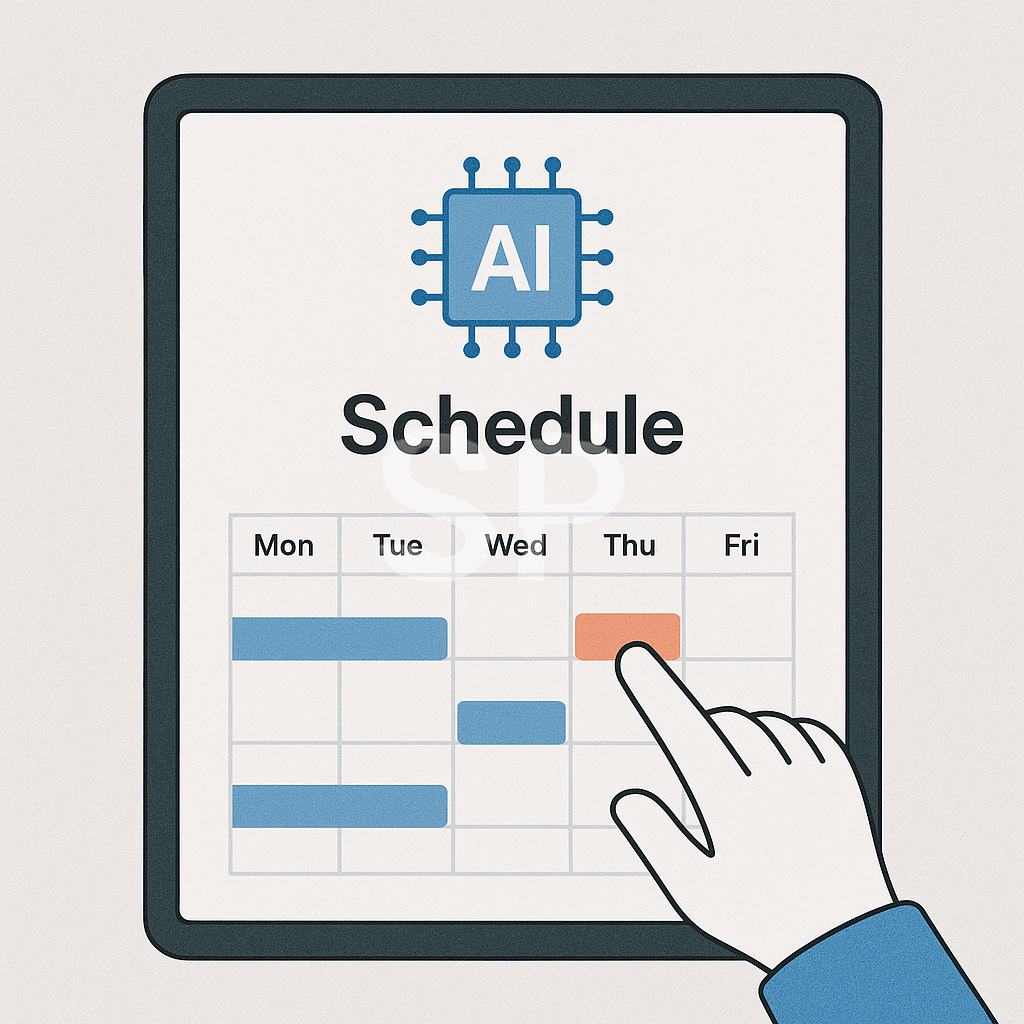
Optimize Your Schedule with AI Assistants
Time blocking is a proven productivity method, but AI takes it further by dynamically adjusting your schedule based on priorities.
Tools like Motion or Reclaim AI can reschedule tasks automatically
Set “focus hours” to avoid distractions
Sync personal and work calendars for a balanced lifestyle
Automate Data Tracking & Reporting
If you spend hours each week preparing reports, AI can cut that time drastically.
Use Google Sheets with AI-powered add-ons for real-time updates
Automate KPI dashboards for clients or internal teams
Generate summaries that can be sent automatically via email or Slack
Combine Automation with Lifestyle Hacks
Productivity isn’t just about work—it’s about managing energy. Combine automation with small lifestyle changes to boost efficiency.
Automate grocery delivery to save mental energy
Use habit tracking apps to reinforce routines
Apply the “2-minute rule” to quickly handle small tasks before they pile up
💡 Q&A
Q: Isn’t AI automation only for tech experts?
A: Absolutely not. Most modern tools are designed for non-technical users with simple drag-and-drop interfaces.
Q: Can automation replace my role?
A: The goal isn’t replacement—it’s enhancement. Automation frees you to focus on creative and strategic work.
⚠ Common Mistakes & Fixes
Over-automating without understanding the process → Start small, then expand
Not testing automation before scaling → Always run trials
Ignoring tool compatibility → Choose platforms that integrate seamlessly
🎯 Bonus Tip
Pair your AI automation with a weekly review session. This helps you measure impact, spot inefficiencies, and tweak your workflows for maximum results^^
In the modern digital landscape, efficiency is no longer defined by how much you can cram into a day but by how effectively you can direct your time and attention. AI-powered workflow automation is becoming a game-changer for professionals, enabling them to eliminate repetitive work, focus on high-value activities, and enjoy a better work-life balance. The true beauty of automation lies not just in time savings, but in the way it transforms mental energy—freeing you from constant decision-making and micro-management.
Before diving into advanced tools, it’s crucial to map out your current workflow. Many people rush into automation by adopting the most popular platforms, but without clarity on what actually needs to be automated, they end up adding complexity instead of simplifying. Spend a week observing your daily patterns: Which tasks feel tedious? Which ones could be triggered by an event rather than done manually? This discovery phase often reveals surprising opportunities, such as automatically sending client updates when a project milestone is reached or organizing downloaded files without lifting a finger.
Once you’ve identified your targets, start with lightweight solutions. AI doesn’t have to be intimidating—many tools are built with a drag-and-drop interface that anyone can master. For example, you could set up an integration where your task management app updates your calendar automatically, or have AI transcribe and summarize meeting recordings before you even log back in. These are small changes that compound into significant time savings over weeks and months.
Content creation is another area where AI can have a profound impact. Whether you’re running a blog, managing social media, or producing client reports, AI can help you brainstorm ideas, generate drafts, and refine language with precision. The trick is not to rely on AI for final outputs without oversight, but to use it as a collaborator that accelerates the creative process. By maintaining editorial control, you ensure your content remains authentic and aligned with your voice while still benefiting from the efficiency boost.
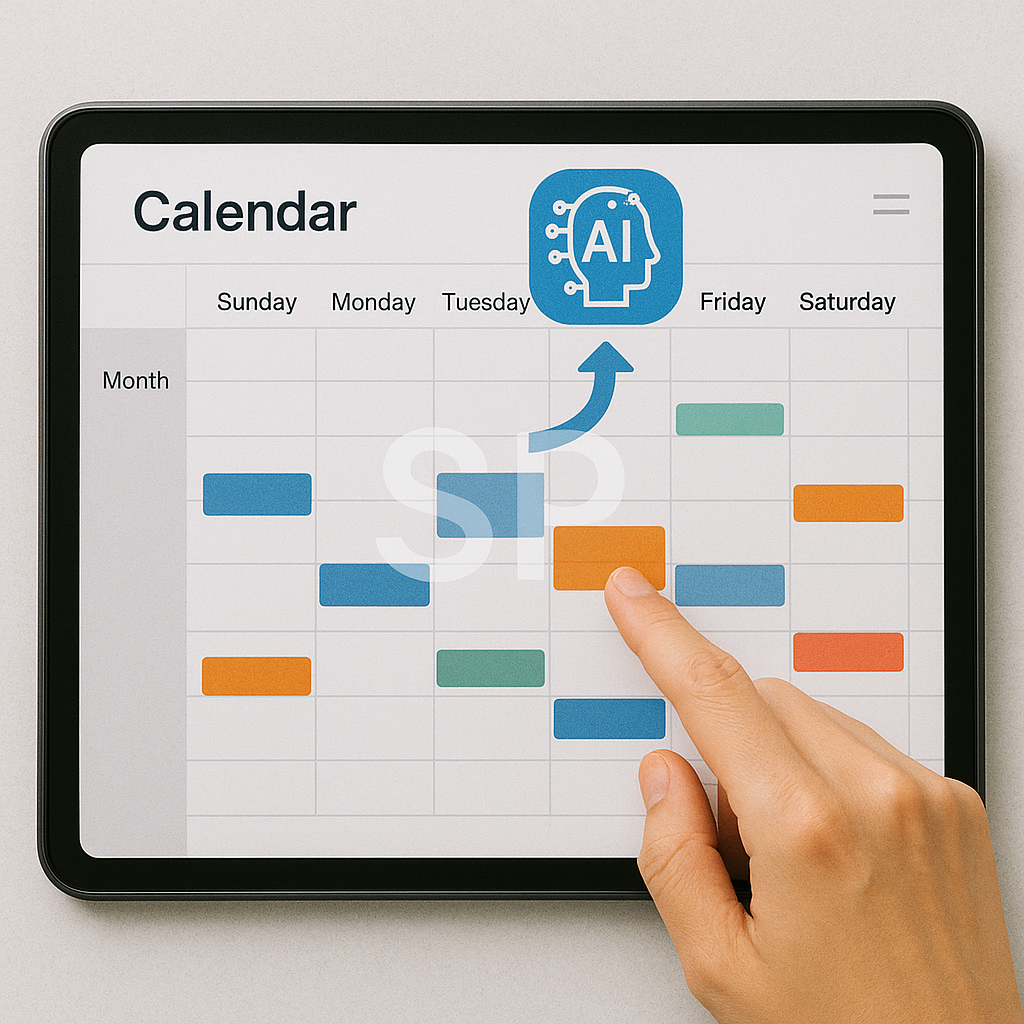
Scheduling and time management also become far more dynamic with AI integration. Traditional time-blocking works well, but AI can take it to the next level by adjusting your schedule in real time. If a meeting runs over, your AI assistant can reshuffle lower-priority tasks, ensuring nothing falls through the cracks. It can also analyze your historical work patterns to suggest optimal times for deep work, calls, and breaks, aligning your calendar with your natural energy rhythms.
Data tracking and reporting, once a manual headache, can now be almost entirely automated. AI-powered spreadsheets, dashboards, and analytics tools can pull data from multiple sources, process it instantly, and present it in a digestible format. This not only saves hours each week but also enables better decision-making because the information is always up-to-date. For freelancers and agencies, automated reporting also becomes a client value-add—delivering insights faster than competitors who rely on manual compilation.
However, the key to long-term success with AI automation is balance. Over-automating can make your workflows rigid and difficult to adapt when priorities shift. The best systems are those that combine automation with human oversight—giving you flexibility to step in, adjust, or override when necessary. Think of automation as a reliable assistant, not a replacement for critical thinking.
It’s also important to integrate lifestyle design into your automation strategy. Productivity isn’t solely about output—it’s about maintaining sustainable energy and avoiding burnout. By automating non-work tasks such as grocery ordering, bill payments, or workout reminders, you reduce mental load and free capacity for creative or strategic thinking. Small habit adjustments, supported by automation, create momentum that makes it easier to stay consistent.
Ultimately, AI-powered workflow automation is about reclaiming control over your time. It’s about creating a system where tasks move forward even when you’re not actively pushing them. This doesn’t just make you more productive—it makes your work more intentional, your schedule more balanced, and your results more impactful. The earlier you start experimenting with small automation wins, the sooner you’ll build a system that supports both professional growth and personal well-being.