Boost Your Daily Workflow with Smart AI Productivity Tools
Hello everyone, how’s your day going? 🌿 Have you ever felt like your daily routine is filled with repetitive tasks that steal away your energy? Many people spend hours switching between emails, documents, and planning apps without realizing how much time slips away. That’s where AI productivity tools come into play. These tools are no longer futuristic experiments; they are practical assistants you can use right now. By automating small but frequent actions, you can save hours every week and redirect your focus to the work that really matters. In this post, I’ll share simple yet effective ways to bring AI automation into your daily workflow, reduce digital clutter, and design a smarter lifestyle routine. Let’s dive in together!
AreaHow AI HelpsBenefit
| Task Management | Auto-generate & prioritize tasks | Clear focus, no missed deadlines |
| Emails | Sort, filter, draft quick replies | Less inbox stress |
| Documents | Summarize & note action points | Faster learning, less fatigue |
| Lifestyle | Automate shopping, scheduling | Better balance in daily life |
| Burnout Prevention | Remove repetitive tasks | More energy for creativity |

1. Automate Task Management
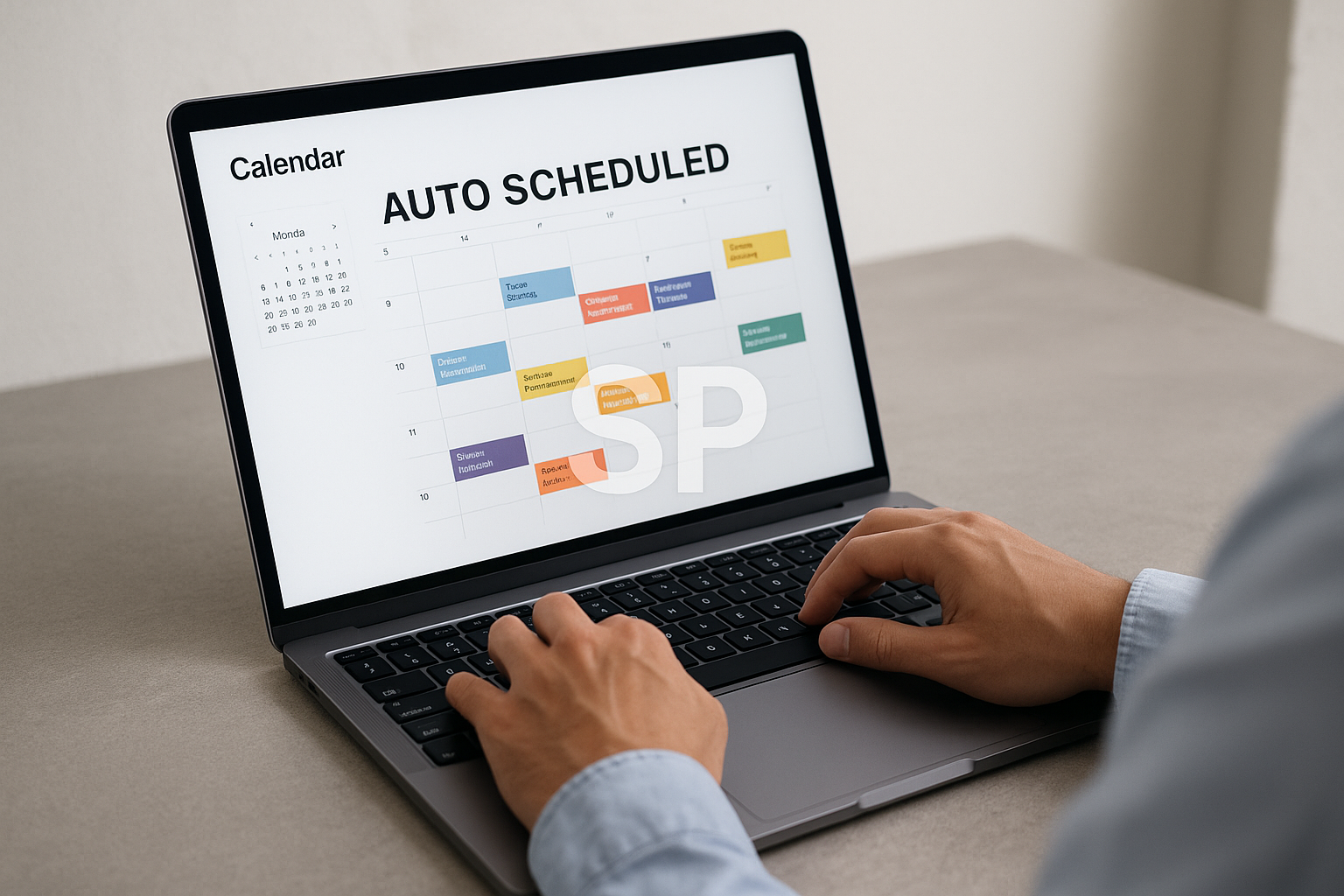
One of the biggest time-consumers is manually writing and tracking to-do lists. AI task managers can analyze your previous activities and automatically generate a schedule that adapts to your pace. Instead of juggling sticky notes or endless app reminders, you’ll have a system that updates itself as your day changes. For example, AI can push urgent items to the top of your list and postpone non-critical tasks, keeping you focused on what truly matters.
2. Smart Email Filtering
Our inbox is often overloaded with newsletters, promotions, and repetitive replies. AI email assistants can categorize incoming messages, draft quick replies, and even detect priority senders. Imagine waking up and seeing only the 10% of emails that actually need your attention while the rest are sorted automatically. It feels like you suddenly have a digital secretary working behind the scenes!
3. Document Summarization & Note-Taking
Instead of reading long documents line by line, AI summarizers can highlight the main points in seconds. This is especially helpful when you’re studying reports, contracts, or research papers. Pair it with AI note-taking apps that record meetings and generate action points instantly, and you’ll notice how meetings feel shorter and more productive. The habit of summarizing with AI also reduces fatigue because you’re not overloaded with text.
4. Lifestyle Automation
Automation doesn’t stop at work. You can integrate AI into your personal routine too. For instance, smart calendars can reschedule workouts or rest times depending on how late you worked the previous night. AI-powered shopping assistants can track your recurring purchases and alert you when prices drop. It’s like having a personal lifestyle coach that quietly manages your daily rhythm without being asked.
5. Preventing Burnout with AI Balance
One overlooked benefit of automation is its role in preventing burnout. By cutting out repetitive micro-tasks, you create mental space for creativity and problem-solving. The less time you waste switching apps, the more focus you gain. Think of it like cleaning a messy desk: once everything is organized, you naturally feel lighter and more motivated. AI doesn’t replace your effort; it amplifies your ability to manage energy wisely.
When people first hear about “AI productivity tools,” they often imagine complex software that requires hours of training to master. In reality, most of today’s tools are designed with simplicity in mind. You can get started with just a few clicks, and the learning curve is often shorter than expected. The key is not to install every trending tool but to carefully select the ones that match your working style. A writer may need summarization apps, while a project manager might prioritize scheduling and task assignment tools. Choosing with intention makes automation sustainable instead of overwhelming.
Another overlooked aspect is integration. Many users complain that they feel more stressed when using too many apps because they constantly switch windows. The solution is to integrate tools through platforms like Zapier or native connections within Google Workspace and Slack. With the right setup, finishing one task automatically triggers the next step—like sending an email update after completing a project milestone. This chain reaction reduces friction, keeps information in sync, and makes your workflow feel almost invisible in the background.
It’s also worth mentioning how AI helps with personal reflection. A simple journaling app that uses sentiment analysis can highlight when your tone becomes consistently negative or when your writing shows signs of stress. That data is powerful because it allows you to adjust before burnout takes over. Just as fitness trackers reveal your physical health, AI journals reveal your mental rhythm. This balance between efficiency and well-being is what makes AI routines so transformative.
Some people worry that relying on automation might make them less attentive or even lazy. The opposite is often true. Once repetitive work is automated, you regain focus for strategic decisions and creative projects. Think of a chef who doesn’t wash every single vegetable by hand but relies on kitchen staff for prep work—the chef’s energy is saved for designing recipes and flavors. AI plays a similar supporting role: it takes care of digital “prep work” so you can dedicate yourself to higher-value activities.
Real stories from professionals confirm this shift. A marketing freelancer shared that she used to spend four hours weekly compiling reports. By integrating AI reporting into her dashboards, she reduced the task to ten minutes. Those saved hours were redirected into brainstorming campaigns, which directly increased her income. Another remote worker explained how an AI calendar that adapts to time zones prevented embarrassing scheduling mistakes with international clients. Both examples prove that automation isn’t just theory—it creates tangible value in everyday work.
As you experiment, it’s important to evaluate regularly. What worked last month may not suit your current priorities. AI evolves quickly, and so do your needs. Building a routine where you audit your tools every quarter ensures you don’t fall into the trap of “tool overload.” Delete what you no longer use, keep what proves its value, and remain open to exploring new solutions. This mindset keeps your system lean, efficient, and relevant.
In the end, automation isn’t about replacing your judgment—it’s about designing an environment where your attention is used wisely. By blending AI into both professional and personal routines, you create space for focus, creativity, and balance. Over time, these small adjustments accumulate into a lifestyle that feels smoother and more intentional. And when your day finally feels lighter, you’ll realize that automation is not just about saving time—it’s about reclaiming energy for what truly matters.