AI Productivity Tools 2025: Automating Workflows and Lifestyle Routines
This morning, as I reviewed my task list, I noticed half the items were repetitive chores—emails, scheduling, reminders. It struck me again how much of our energy drains into tasks that don’t require creativity. That’s where AI productivity tools shine. In 2025, automation is no longer a futuristic luxury but a daily necessity. By building workflows that run themselves, we create more time for strategy, problem-solving, and even rest. Let’s explore how AI can simplify not just work but lifestyle routines as well.

The first breakthrough comes from task automation platforms. Tools like Zapier, Make, or Notion AI have become digital glue, linking apps that never used to talk to each other. Imagine receiving a new client inquiry: your CRM updates automatically, a Slack message notifies the team, and a project folder appears in your drive—without you lifting a finger. A small design agency in New York reported saving 10 hours a week just by automating client onboarding. Isn’t it remarkable how routine work can vanish almost invisibly?
Another key area is AI-driven writing and content generation. For freelancers, marketers, and students, drafting content consumes huge amounts of time. With AI tools like Jasper, Copy.ai, or ChatGPT-based integrations, first drafts appear in minutes. Instead of staring at blank screens, creators can refine, edit, and inject personal style. A marketing consultant shared how she doubled her client capacity by letting AI handle initial drafts, freeing her to focus on creative direction. That’s the essence of smart productivity: delegating the repeatable to technology.

AI also enhances time management. Traditional calendars merely display appointments. Now, AI assistants suggest optimal meeting times, reschedule conflicts, and even block focus hours based on your past behavior. One startup founder described his AI calendar as “a silent manager who anticipates my week better than I do.” With predictive scheduling, burnout risks drop, and routines feel less chaotic.
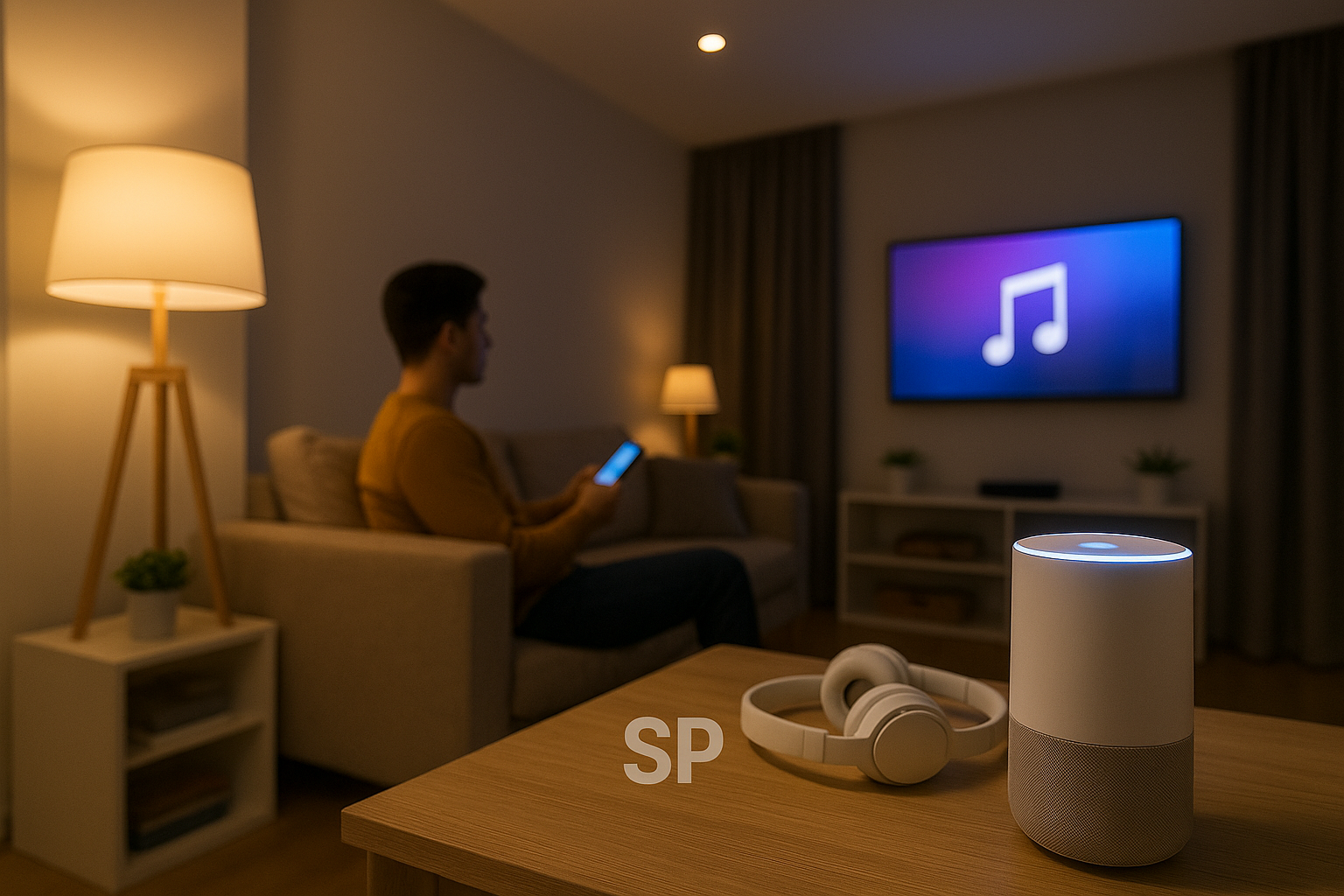
When it comes to lifestyle hacking, automation transforms personal routines too. Smart home devices manage lighting and energy use, fitness apps adjust workouts dynamically, and finance apps automatically categorize expenses. A remote worker in Tokyo programmed his system so that when he ends a work session, lights dim, calming music starts, and his expense tracker logs the day’s meals. By the time he closes his laptop, both his environment and finances are already managed. This blending of digital tools with daily life shows how automation is no longer confined to offices.
Of course, productivity isn’t just about speed. Data-driven reflection is another advantage. AI analytics platforms measure how you spend time across tasks, highlight bottlenecks, and recommend improvements. For example, if writing emails consumes 30% of your workweek, the system suggests templates or auto-replies. By making inefficiencies visible, AI builds routines that are both efficient and sustainable.
Yet, challenges exist. Privacy remains a concern. Automating workflows means giving tools access to sensitive data. Without transparency, risks grow. Savvy users now check which platforms allow full control of data deletion and encryption. As one analyst noted, “Productivity without security is just speed toward disaster.” Balancing convenience and trust becomes part of the modern automation routine.
🚀 Closing Thoughts
AI productivity tools in 2025 are more than gadgets—they’re extensions of our decision-making. By automating repetitive tasks, enhancing creativity, managing schedules, and blending with lifestyle habits, they free us to focus on what truly matters.
So, if you had to automate one routine today—work, home, or personal—what would it be? That single change might save you hours every week and reshape the way you live.
For many people, productivity tools are just another set of apps downloaded and forgotten after a few weeks. But when designed into daily routines, these tools transform from simple software into real lifestyle frameworks. In 2025, the conversation about AI productivity is shifting from “Which tool should I use?” to “How do I make these tools part of my life so they work without me noticing?”
One overlooked element is habit stacking with AI systems. Instead of treating automation as something separate, users now connect AI routines to existing habits. For instance, someone who already checks their calendar each morning can layer an AI assistant that automatically suggests the top three tasks for the day. A remote designer in Berlin explained that by combining her morning coffee with a quick AI-generated task summary, she started each day with clarity instead of stress. Small adjustments like this are what embed technology into real life.
Another dimension is cross-device continuity. Work rarely stays confined to one machine anymore. You might draft ideas on your phone, refine them on a laptop, and present them on a tablet. AI now ensures that transitions are seamless. Imagine finishing notes on your commute and having an AI tool instantly polish and format them before you even open your laptop at the office. This invisible flow reduces friction, letting you focus on substance rather than process. Isn’t that exactly what productivity should feel like?
Wellness integration is becoming part of the productivity conversation too. Old-school efficiency often ignored health, but AI tools now detect patterns of fatigue and suggest breaks. A startup founder in Singapore mentioned how his smartwatch AI nudges him to step outside when stress markers rise. At first, he resisted the interruptions, but over time he realized his afternoons were far more productive when he listened. In this way, AI is not just making people work harder—it’s helping them work sustainably.
Another area worth noting is financial micro-automation. Personal finance apps use AI to categorize spending, track subscriptions, and even optimize bill payments. Instead of budgeting being a dreaded monthly task, it becomes a background process. A freelancer in Toronto joked that his AI expense tracker is “like a silent accountant living in my pocket.” This blending of productivity and financial security illustrates how automation strengthens more than just professional output—it reshapes personal confidence.
Of course, challenges remain. Over-automation is real. Some users delegate so much that they lose touch with their own workflow. When a system breaks—an API error, a sync failure—they’re left scrambling. The lesson here is balance: automation should handle repetitive or data-heavy tasks while leaving space for human oversight. Experienced users recommend weekly reviews to ensure systems are aligned with evolving goals.
Looking ahead, the frontier is context-aware automation. Instead of static rules (“if this, then that”), AI will adjust routines based on context. For example, if your location data shows you’re traveling, your system might delay low-priority tasks and focus only on essentials. If your stress markers rise, notifications might reduce automatically. These adaptive systems promise a future where productivity feels more like a partnership than a command line.
✨ Closing Reflection
What’s clear is that AI productivity tools aren’t about working nonstop—they’re about creating balance, clarity, and resilience. When routines are well-designed, they fade into the background, leaving space for focus and creativity.
So, consider your own life: which routine drains the most time or energy? That might be the perfect candidate for AI automation. One small shift could change not only your workflow but also your quality of life.