How to Build a Daily Routine with AI Automation Tools in 2025
In 2025, the world of work and lifestyle has become inseparable from artificial intelligence. What once felt futuristic—having an assistant that organizes tasks, schedules meetings, and even predicts your needs—is now part of everyday life. For remote workers, freelancers, and busy professionals, knowing how to build a daily routine with AI automation tools has become a skill as important as time management itself.
AI no longer just answers questions. It actively shapes how we work, rest, and balance our lives. In this article, we’ll explore practical ways to design a sustainable routine using AI automation tools—helping you stay productive without burning out.
Morning: Starting the Day with Clarity
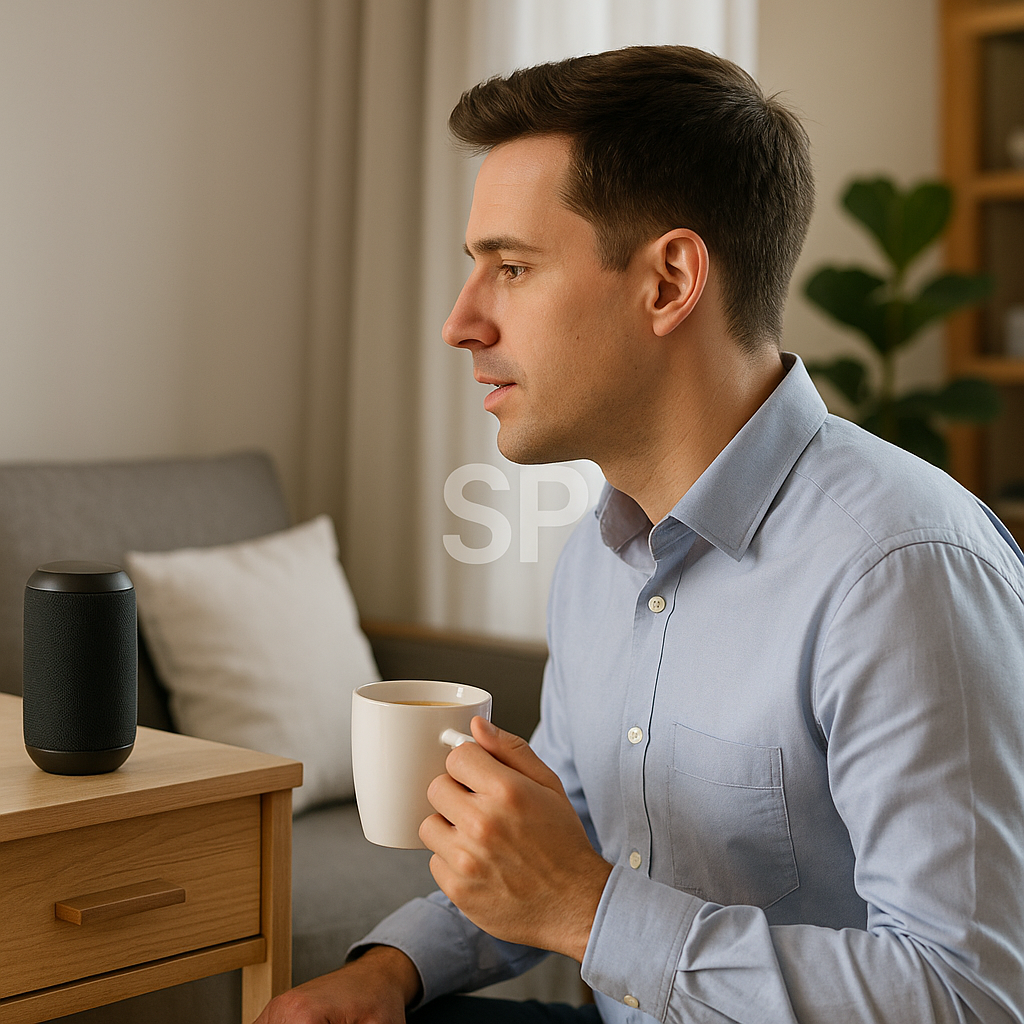
Your routine begins the moment you wake up. AI-powered assistants can analyze your calendar, weather, and commute data to suggest the optimal time to get up. Smart speakers deliver personalized briefings, while AI-based fitness apps recommend short workouts tailored to your energy levels.
Instead of scrolling through notifications, you’re greeted with a curated plan: which tasks matter most, what emails need immediate attention, and even reminders to drink water. This calm, focused start sets the tone for the day.
Work Hours: Automating Repetition
The bulk of a daily routine involves repetitive tasks. AI automation tools shine here:
Email filtering and drafting: AI sorts incoming emails, drafts replies, and flags urgent ones.
Task management: AI-based project tools organize your to-do list by urgency and priority.
Meeting optimization: Scheduling assistants coordinate across time zones automatically.
By automating these tasks, you free up hours for deep work. For freelancers, this means more time for creative projects. For teams, it means fewer miscommunications and smoother collaboration.
Midday: AI for Focus and Well-being
AI tools aren’t only about efficiency—they’re about balance. Focus apps now track attention spans and suggest timed breaks. Wearables monitor stress levels, nudging you toward breathing exercises or short walks.
Lunch planning is even easier: AI nutrition apps recommend meals based on your dietary needs and what’s already in your fridge. By turning decision-making into automation, your mind stays clear and your energy steady.
Afternoon: Collaboration Without Chaos
By 2025, AI has become a silent partner in collaboration. Tools transcribe meetings, summarize discussions, and assign tasks automatically. Language models translate conversations in real time, breaking down barriers between global teams.
Instead of juggling apps and files, you can focus on contributing ideas. This not only makes work smoother but also reduces the stress that comes with constant coordination.

Evening: Reflection and Routine Building
A strong daily routine includes reflection. AI journaling apps prompt you to record highlights and struggles, then analyze patterns over time. Sleep trackers guide your evening habits, recommending when to reduce screen time or dim lights.
The result is a feedback loop: AI learns from your behavior and helps refine tomorrow’s schedule. You wake up to a smarter, more personalized routine each day.
Building Habits with AI Automation
The real power of AI in 2025 lies in consistency. By embedding automation into your daily routine, small changes compound into lasting habits:
Saving 15 minutes per day on email equals hours each week.
Daily nudges toward healthier choices improve long-term well-being.
Automated financial reminders keep budgets on track without stress.
AI doesn’t replace discipline—it supports it. For beginners, start with one area (like scheduling or budgeting) and expand gradually. Over time, you’ll build a fully automated routine that feels natural, not forced.
Final Thoughts
Learning how to build a daily routine with AI automation tools in 2025 is about more than productivity. It’s about creating a balanced lifestyle where technology supports your goals. By starting small, automating repetitive tasks, and letting AI guide reflection, you can reclaim time and energy for what truly matters.
The best routines aren’t rigid—they adapt. With AI as your partner, your daily life becomes flexible, sustainable, and deeply aligned with your personal priorities.
In the main article, we explored how AI automation tools can support a daily routine from morning to evening. But the true value of AI lies in the way it changes our relationship with time and habits over the long term. Building a sustainable daily routine with AI is less about downloading the latest app and more about integrating small, consistent changes that gradually reshape your life.
One of the most common mistakes beginners make is trying to automate everything at once. This often leads to frustration and abandonment. The smarter approach is incremental adoption. Start by automating one repetitive task, like scheduling meetings. Once that feels natural, move to expense tracking or health monitoring. By layering automation step by step, you create a routine that grows with you instead of overwhelming you.
Another powerful aspect of AI is contextual awareness. In 2025, tools are not just rule-based; they adapt based on your environment and behavior. For example, an AI assistant may reschedule a call if it notices you’re traveling or recommend shorter tasks when your wearable signals fatigue. This context-sensitive support turns routines into living systems that evolve daily, rather than rigid checklists.
Reflection also becomes richer with AI. Traditional journaling required discipline, but AI journaling assistants now ask guided questions and summarize your entries. Over time, they highlight emotional patterns, showing how work stress or sleep quality affects your productivity. Many users describe this as having a mirror for their inner life, one that encourages healthier routines without judgment.
AI also helps balance work and rest. Burnout has been a major issue in the digital era, and automation tools in 2025 include built-in safeguards. They remind you to take breaks, suggest meditation sessions, or even lock you out of work apps temporarily if you exceed healthy limits. While some may resist this intervention, those who embrace it find their routines becoming more sustainable and less draining.

Collaboration is another domain where AI enhances routines. For freelancers, AI integrates invoicing, client communication, and project updates into one streamlined system. For teams, AI summarizes conversations across chat apps, ensuring no one misses critical points. This reduces the mental clutter of constant notifications and allows everyone to focus on meaningful contributions.
A noteworthy shift is how AI connects personal and professional life. In the past, these areas were managed separately, but now a single AI assistant can align your work deadlines with personal goals. If you’re training for a marathon, it ensures meetings don’t conflict with training sessions. If you’re budgeting for a vacation, it adjusts expense reminders accordingly. Routines become holistic, covering the whole human experience rather than just productivity metrics.
The future of AI routines may even include proactive wellness. Imagine an assistant that notices rising stress in your tone of voice and suggests stepping outside for fresh air. Or one that senses your declining focus and reshuffles your tasks for the day. These scenarios are already emerging in 2025, making daily routines feel more supportive and less mechanical.
In the end, learning how to build a daily routine with AI automation tools is about balance. It’s not about surrendering control but about co-creating a rhythm with technology. By starting small, embracing contextual support, and maintaining flexibility, you can craft routines that reduce stress, improve focus, and make daily life more fulfilling.
The best routines are those that feel natural. With AI as a partner, your daily habits become less about effort and more about flow—helping you live with clarity, energy, and purpose in 2025 and beyond.