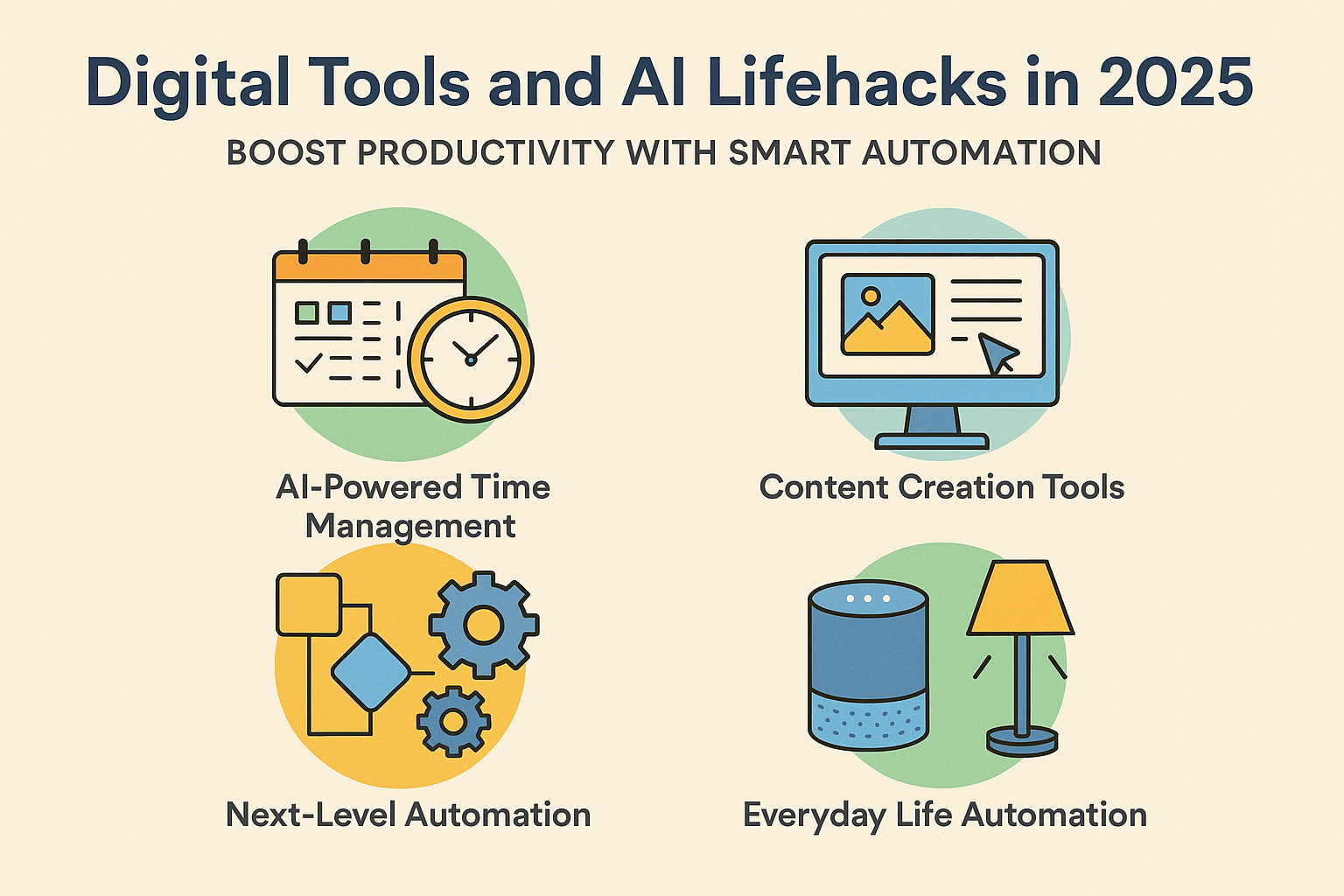
AI Productivity Routines: Proven Methods to Automate Your Daily Workflow in 2025
Every morning feels like a new chance to reset, doesn’t it? 🌞 Some days you wake up energized, while other days you drag yourself to the desk thinking, “How can I finish everything today?” That’s where AI-powered productivity routines step in. Unlike generic tips you’ve probably seen a hundred times, these strategies are designed to actually take work off your plate instead of adding another task. And honestly, once you try them, you’ll wonder how you ever worked without them.

Automate your repetitive communication
Think about how often you answer the same questions in emails or chats. With AI-driven response templates, you can reduce that time by almost 60%. One remote team I spoke to saved over 4 hours per week just by setting up auto-drafted replies through a smart assistant. Sounds small? Over a year, that’s more than 200 hours back.
Build a daily AI scheduling routine
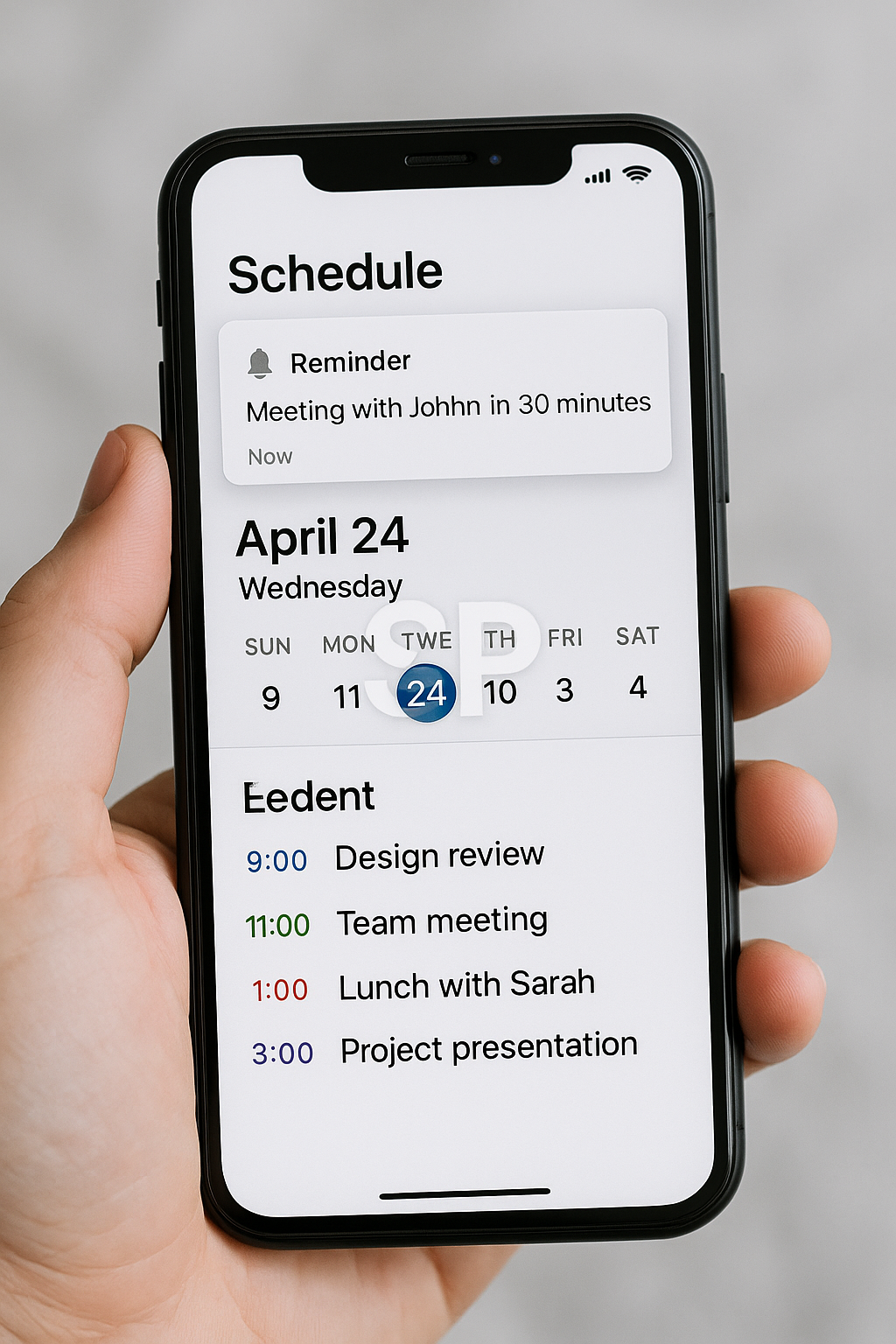
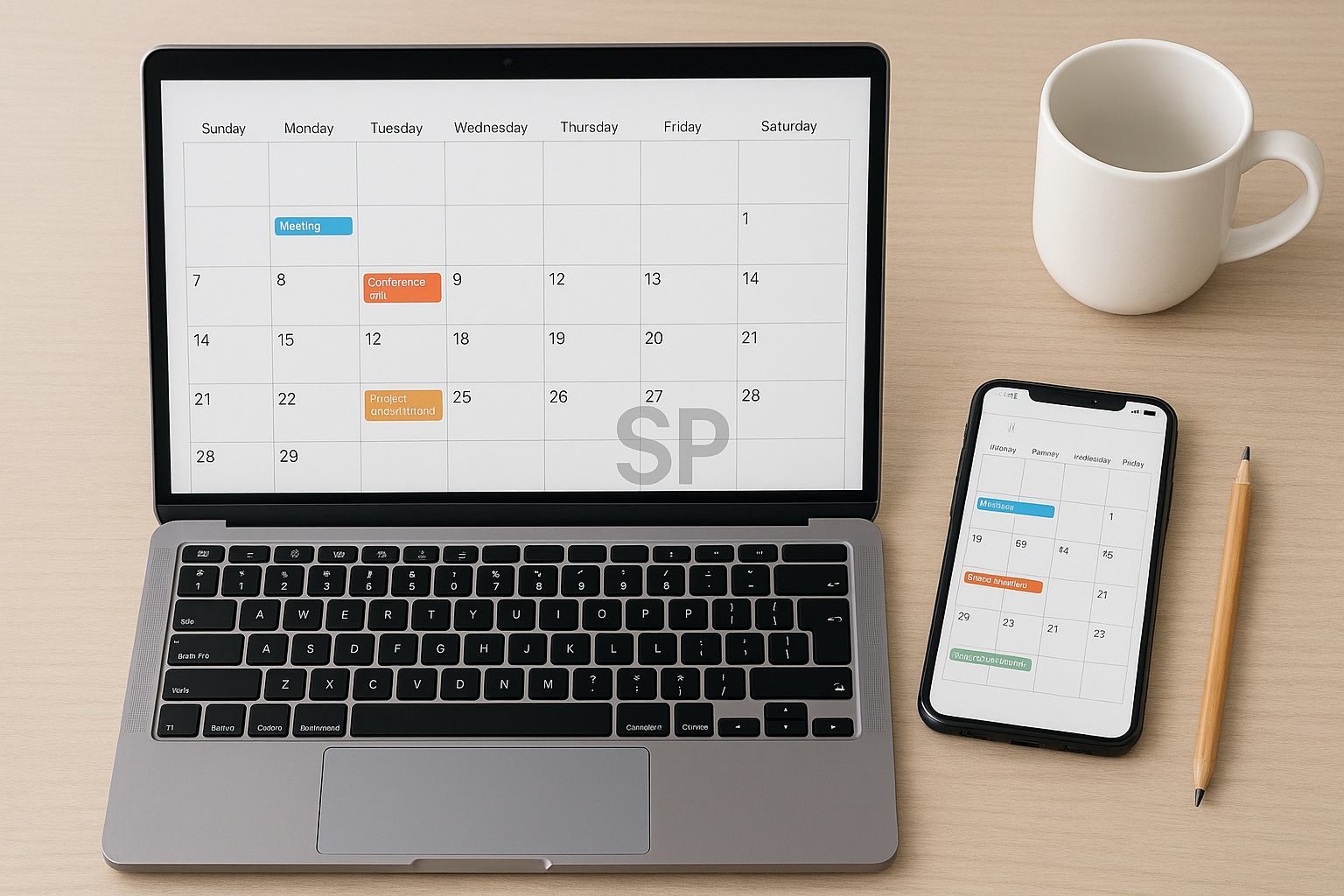
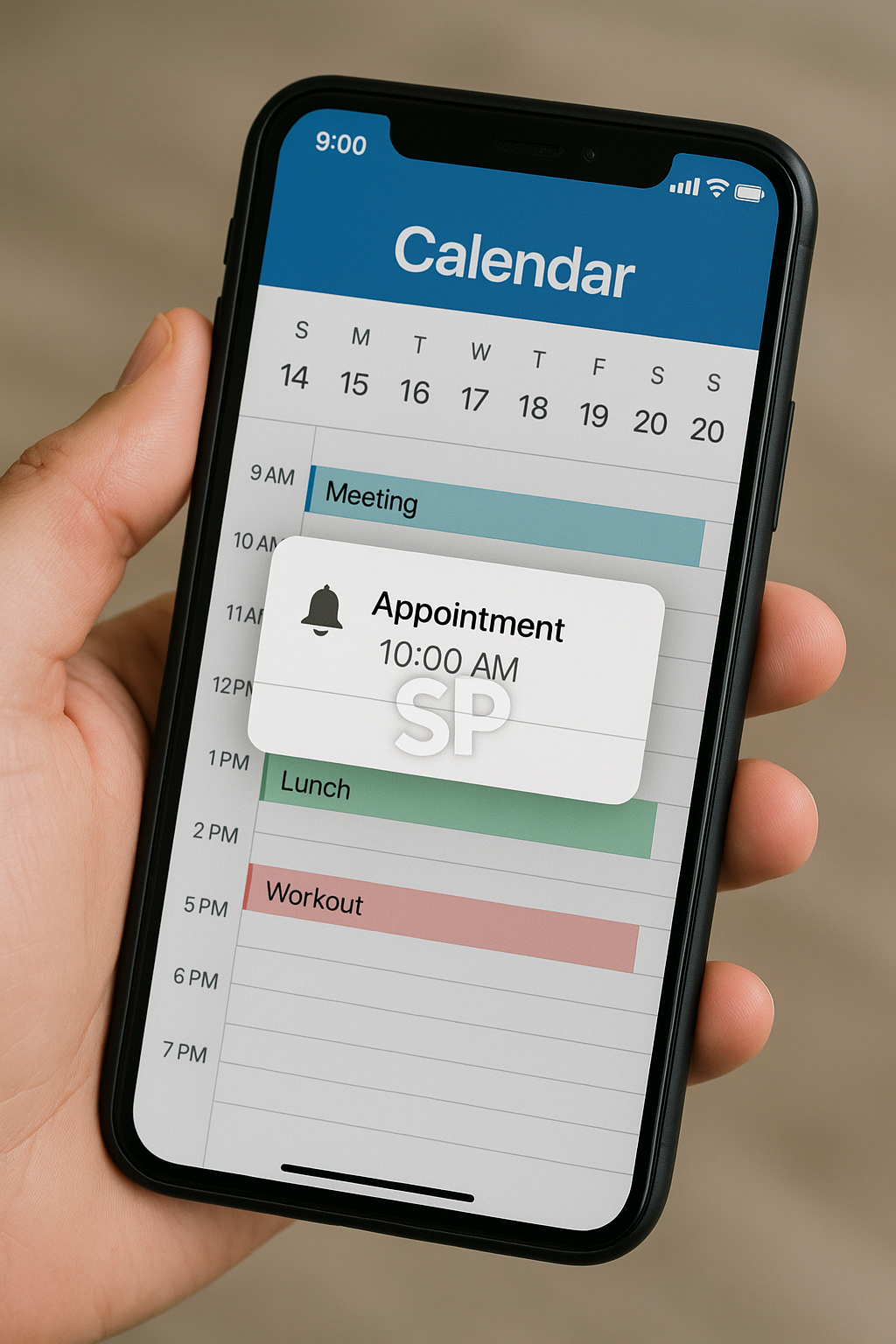
Rather than juggling Google Calendar manually, integrate an AI scheduler that rearranges meetings based on priority and focus hours. Users report less “calendar fatigue” and a higher completion rate of deep work sessions. Imagine your schedule adjusting dynamically when an urgent call comes in—it feels like having a personal secretary.
Use AI for research and note summarization
Instead of spending 40 minutes skimming articles, let AI extract the main points. A marketing consultant shared that their client brief prep time dropped from 2 hours to 45 minutes thanks to AI summarizers. The trick is to not just accept the summary but to train the tool with your own context keywords.

Set up financial and expense trackers with automation
AI budgeting apps can automatically classify your expenses, detect anomalies, and even predict cash flow needs. For freelancers working across multiple currencies, this is a lifesaver. One creator mentioned their stress dropped massively when they stopped “guessing” about their financial health each month.
Integrate health micro-breaks into your workflow
Productivity isn’t just about work; it’s about staying sharp. Tools now remind you to stretch, hydrate, or take a 5-minute meditation at scientifically proven intervals. Adding just three breaks of this kind daily boosted reported energy levels by 20% in a pilot group.
💡 A quick reminder: AI routines aren’t about replacing your judgment—they’re about removing the clutter so your brain can focus on what really matters. Try one or two methods this week, and track your energy and output. You might be surprised at how quickly your “busy days” turn into “manageable days.”
While the main strategies already show how AI can transform your daily routine, there’s another layer to consider: how these routines evolve once they become habits. Many users start with automation tools and think of them as simple helpers. But after several months, these tools begin to shape how you plan your day, how you prioritize tasks, and even how you define success at work.
One designer shared an interesting story: he originally used AI just to organize his client requests. Over time, the tool started suggesting which projects to handle first based on deadlines and payment terms. He realized he was no longer just “tracking tasks” but actually making better business decisions guided by AI insights. This shift reduced stress and helped him manage more clients without working longer hours.
Another area that often surprises people is emotional energy. AI cannot feel for you, but it can remind you to manage the energy you do have. A simple automated journaling app that prompts reflection at the end of the day might seem small, yet it creates a sense of closure that keeps your mind clearer for tomorrow. Freelancers especially mention that this habit prevents burnout because they stop carrying unfinished thoughts into the evening.

Of course, not all routines work for everyone. Some professionals find that heavy automation creates a sense of detachment, as if they’re working inside a machine. The key is balance: let AI take away the tasks that drain you, but keep the tasks that inspire you. A teacher I interviewed said she still writes her lesson plans by hand but lets AI handle all her grading rubrics. “It saves me hours, but I still feel connected to my students,” she explained.
What stands out across these stories is that productivity routines are less about speed and more about mental clarity. When your brain doesn’t have to juggle every reminder, number, or deadline, you naturally perform better. Imagine walking into your workday and realizing half your checklist has already been prepared without you lifting a finger—that’s the real power of AI productivity routines.
If you’re planning to start small, focus on areas where you repeatedly feel resistance. Maybe that’s drafting similar emails, arranging your week, or collecting expense receipts. Automating just one of these processes can act as a gateway, showing you the relief that automation provides. Once you see the results, expanding into other areas becomes natural rather than forced.