AI Automation and Lifestyle Hacks: The 2025 Guide to Smarter Productivity
In 2025, productivity is no longer about how many hours you work—it’s about how effectively you can channel your energy into high-value tasks. AI automation has evolved to a point where it can handle a significant portion of repetitive and administrative work, freeing you to focus on creative thinking, problem-solving, and strategic decision-making. When combined with lifestyle hacks, these tools don’t just save you time—they help you design a sustainable, high-performance routine.

The first step in building a smart productivity system is to identify areas in your workflow that consume the most time without delivering proportional value. For many professionals, this includes tasks like sorting emails, scheduling meetings, or updating spreadsheets. AI automation tools can handle these instantly: think email filters that categorize messages by priority, meeting schedulers that coordinate across multiple calendars, and smart spreadsheets that update themselves with live data.
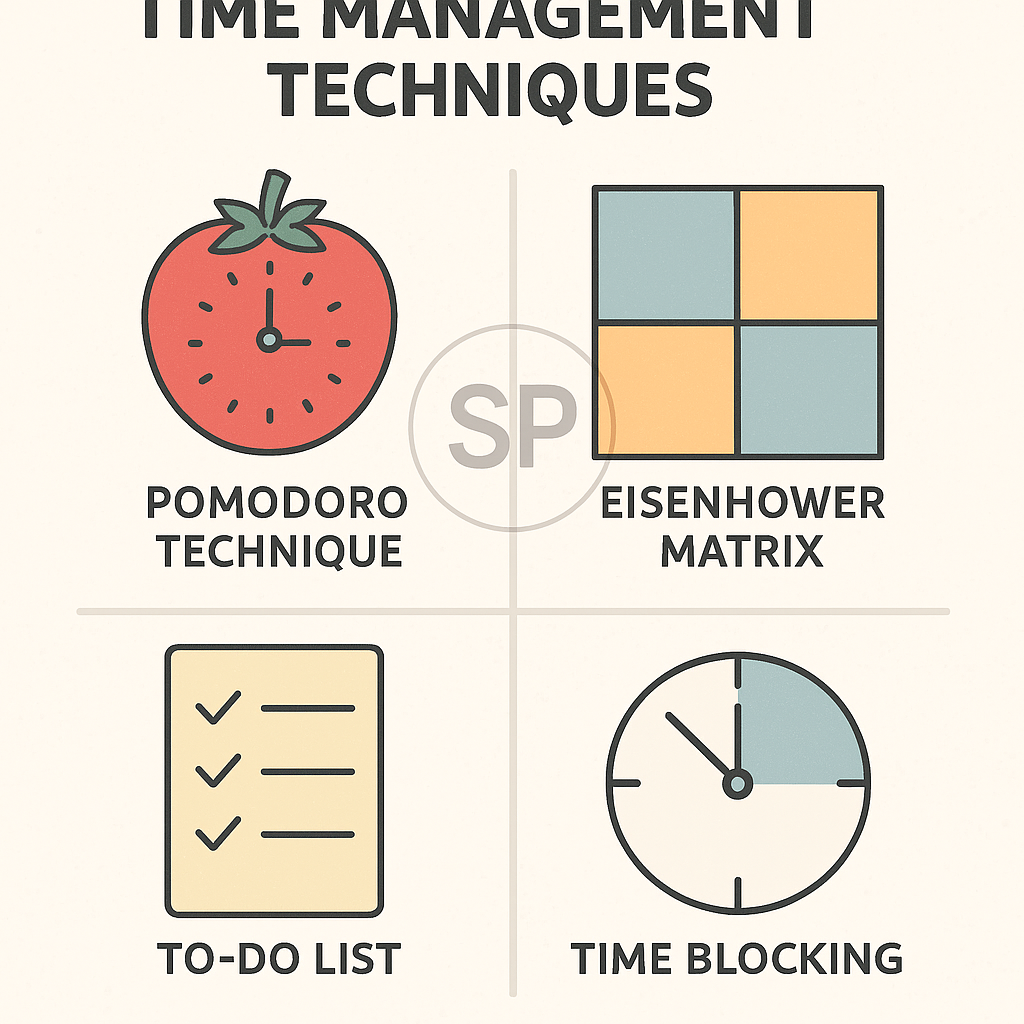
Once you’ve automated these baseline tasks, you can enhance the effect with lifestyle hacks that improve focus and energy management. Time-blocking is one of the simplest yet most powerful techniques—assigning fixed periods for specific types of work reduces decision fatigue and context-switching. Pair this with the Pomodoro method or deep work sessions, and you’ll find yourself accomplishing more in less time.
One of the biggest game-changers is integrating AI tools into a unified dashboard. Instead of switching between multiple apps, you have a central hub that displays tasks, deadlines, and communications in one place. This integration also makes it easier to apply automation across different tools—triggering reminders, updating documents, or generating reports automatically when certain tasks are completed.
The power of combining AI automation with lifestyle hacks is most evident in personal productivity. Imagine having your home lighting, music, and temperature settings adjust automatically when you begin work, or your grocery list updating itself based on meal plans created by an AI nutrition assistant. These small but consistent optimizations add up, making your daily routine smoother and more predictable.
The key to making this work long-term is gradual adoption. Don’t try to automate every part of your life overnight. Start with the two or three areas that cause the most stress or eat up the most time, and add new tools or habits as you see measurable improvements. Over time, your personal and professional systems will run more efficiently, with less effort required on your part.
By 2025, those who embrace AI automation and smart lifestyle design will not only outpace their peers in productivity but also enjoy better work-life balance. The goal isn’t just to get more done—it’s to create more time and energy for what truly matters.
While automation tools offer incredible potential, their real value emerges when they are woven seamlessly into the rhythm of your daily life. The most productive professionals in 2025 are not the ones who simply use AI automation tools—they are the ones who integrate them so naturally that the line between “work” and “system” almost disappears.
One effective approach is to treat automation as a personal assistant that operates quietly in the background. For example, your task manager could prioritize assignments based on deadlines and importance, while also sending you a gentle nudge when your energy levels typically dip during the day. This ensures that you’re working on the right tasks at the right time, without the mental overhead of constant planning :)
A common mistake when adopting new technology is overloading your workflow with too many tools at once. This often creates more friction than it removes. Instead, start with a small ecosystem—two or three tools that address your highest-priority needs. Once you’ve adapted to them, you can layer in new capabilities that enhance, rather than complicate, your routine.
Lifestyle hacks become even more impactful when they interact directly with AI systems. Imagine a morning routine where your alarm clock signals your coffee machine to start brewing, your calendar syncs with the weather forecast to adjust your commute time, and your fitness tracker automatically shifts your workout schedule based on recovery data. These automated adjustments save decision-making energy and set you up for a more productive day.
Sustainability is another critical factor. The point of combining AI automation with lifestyle hacks isn’t to create a hyper-efficient but exhausting routine—it’s to build a system you can maintain for years. This means designing around your natural preferences, energy cycles, and personal priorities. Over time, the combination of consistent habits and intelligent tools will give you a significant advantage in both work and personal life.
By focusing on integration rather than quantity, you ensure that your AI automation setup remains manageable and actually delivers results. Meanwhile, adopting a few carefully chosen lifestyle hacks ensures that these systems don’t just help you work faster—they help you work better. Ultimately, the goal is a self-sustaining routine that frees your mind for the activities and relationships that matter most.
'Productivity Tools & Apps' 카테고리의 다른 글
| AI Automation Tools for Smarter Productivity (0) | 2025.08.23 |
|---|---|
| AI Task Manager: Turning Chaos Into Clear Routines (0) | 2025.08.22 |
| AI Productivity Tools That Actually Work (2) | 2025.08.21 |
| AI Productivity Tools: 5 Ways to Automate Workflows.. (1) | 2025.08.18 |
| Maximize Productivity with AI-Powered Tools (0) | 2025.08.14 |