AI Productivity Hacks for Remote Workers 2025: Smarter Routines for a Digital Lifestyle
Hello everyone, how are you today? 💻 Remote work has transformed from an emergency solution into a long-term reality, and in 2025 it continues to evolve. Many remote professionals now realize that simply working from home is not enough; staying productive requires a combination of the right tools and smart routines. Artificial intelligence is no longer just a buzzword—it’s a daily assistant that can streamline tasks, improve focus, and create balance in the digital lifestyle.
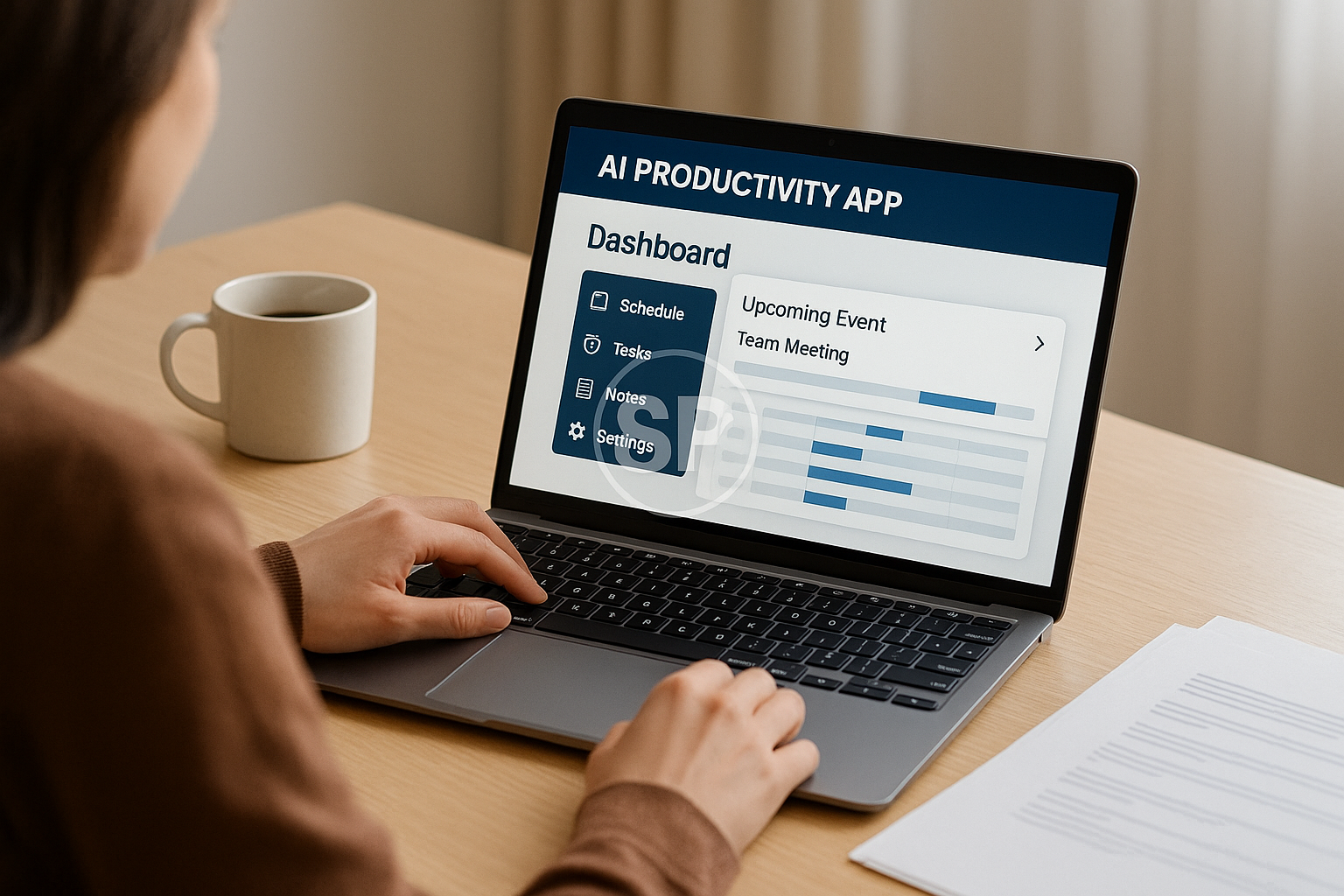
The question for many workers is no longer “Should I use AI?” but rather “How can I use AI more effectively?” In this post, we’ll explore practical AI productivity hacks designed specifically for remote workers who want to thrive in 2025.
Automating repetitive tasks
Repetitive work drains time and energy. AI-powered tools now automate everything from scheduling meetings to drafting first versions of emails. Instead of wasting mental bandwidth on logistics, you can redirect your focus to deep work.
👉 Example: One freelancer reported saving five hours weekly by letting AI handle invoice generation and calendar management.
Personalized focus techniques
AI productivity apps now track working patterns to suggest customized focus routines. Some recommend when to take breaks, while others adjust notifications to minimize distractions. By learning your habits, AI helps you find your natural productivity rhythm.
Smarter project collaboration
Working across time zones has always been a challenge for remote teams. AI-driven collaboration platforms summarize conversations, highlight action items, and even translate discussions in real time. This ensures that no detail gets lost and projects move forward smoothly.

Health and lifestyle integration
Productivity is not only about work. AI health apps now integrate with work routines, reminding you to stretch, drink water, or take short walks. By blending wellness with productivity, AI prevents burnout and supports long-term efficiency.
Predictive analytics for workload planning
AI tools analyze past projects to estimate how long new tasks will take. By predicting workload, they help remote workers avoid overcommitment and set realistic deadlines. This foresight creates a healthier balance between productivity and rest.
AI productivity hacks for remote workers in 2025 are not about working harder but working smarter. By automating routine tasks, personalizing focus strategies, enhancing collaboration, and supporting well-being, AI turns remote work into a more sustainable lifestyle. The digital future is not just about being online—it’s about being intentional with every moment. 🚀
Remote work in 2025 is no longer an exception—it is a norm embraced by companies of every size. Yet while flexibility and independence are celebrated, productivity remains a challenge. Many remote workers admit that distractions at home, communication gaps with teams, and burnout from blurred work-life boundaries still affect them. This is where AI-powered productivity hacks play an essential role. By understanding patterns, automating routine work, and guiding healthier habits, AI has become less of a gadget and more of a partner for sustainable remote work.

One of the most significant shifts is how AI has changed communication. Instead of drowning in endless email threads or long meeting recordings, AI tools now provide instant summaries, highlight the most important action points, and even translate conversations for global teams. This means fewer misunderstandings and faster decisions. A designer in Berlin can collaborate with a developer in Toronto without staying up all night, because AI ensures context and clarity are preserved across time zones.
Another impactful area is personal productivity rhythms. Traditional time management advice like the Pomodoro technique doesn’t work for everyone. AI-driven focus apps monitor your energy levels through typing speed, activity logs, and even wearable data, then suggest when to take breaks or when to tackle complex work. This personalized approach is far more effective than generic strategies, helping remote workers align tasks with their natural flow of concentration.
Automation continues to be a cornerstone. Freelancers and solopreneurs especially benefit from AI assistants that draft client proposals, generate invoices, or schedule meetings. By removing repetitive admin work, they reclaim hours each week for creative or strategic tasks. In practice, this doesn’t just improve efficiency; it also boosts job satisfaction, since fewer hours are wasted on draining routines.
Well-being is also central to productivity. Many AI tools now integrate wellness prompts into work platforms. For instance, if you’ve been sitting too long, your AI assistant may nudge you to stretch or drink water. If late-night work becomes a pattern, the system might recommend adjusting your schedule. These nudges protect workers from slipping into unhealthy routines that lead to burnout. In the long term, balancing productivity with health makes careers more sustainable.
AI-powered predictive analytics further enhance planning. By reviewing historical project data, apps can forecast how long tasks will take and whether deadlines are realistic. Instead of overcommitting, remote workers can plan accurately and avoid stress caused by unrealistic workloads. This predictive function is particularly valuable for contractors juggling multiple clients, as it helps them balance demands without compromising quality.
Finally, what makes AI productivity hacks powerful in 2025 is not just their technical capacity but their accessibility. These tools are no longer reserved for large corporations with big budgets. Affordable apps and freemium models put advanced AI into the hands of everyday workers. Whether you are a digital nomad working from a co-living space in Bali or a parent balancing childcare and deadlines at home, AI assistants are becoming universally available allies.
In conclusion, AI productivity hacks are not about replacing human effort but enhancing it. They simplify communication, personalize focus, automate tedious work, and promote well-being. Remote workers who embrace these tools find themselves working not just faster, but smarter and healthier. As the digital landscape continues to evolve, one thing is certain: AI will remain a trusted companion in shaping routines that allow us to thrive, not just survive, in remote work. 🚀