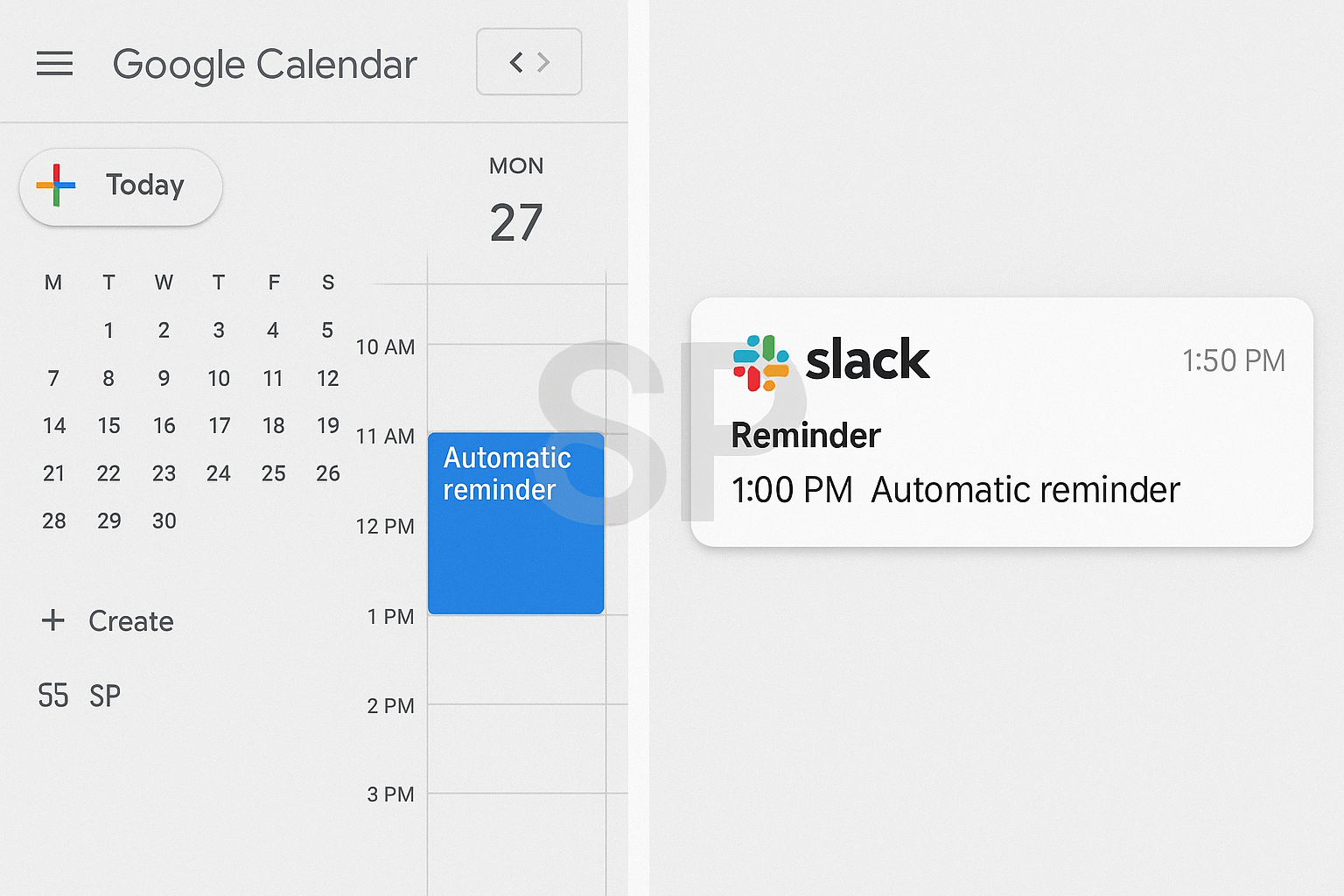
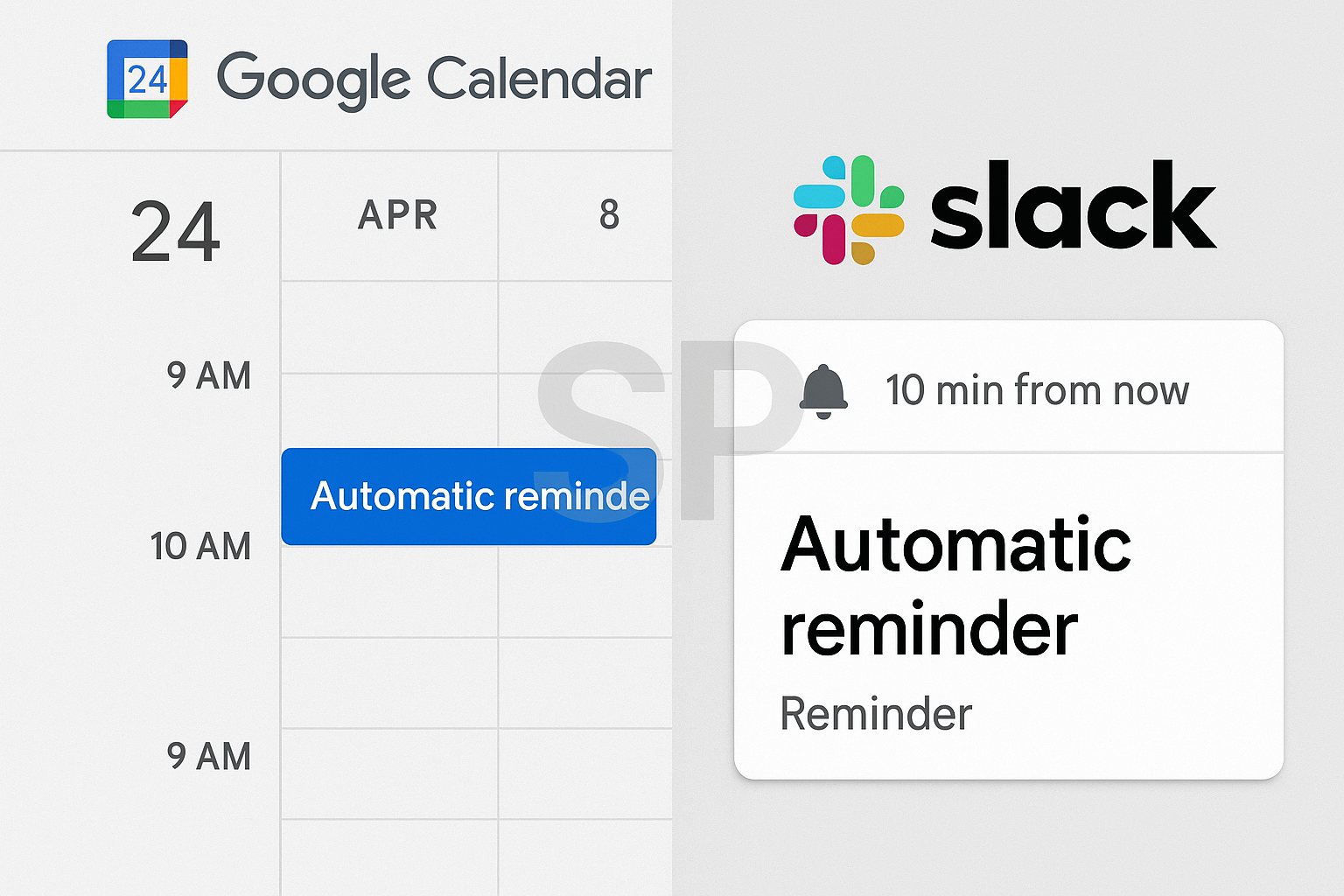
Work Automation Tools: Redesigning Productivity in the AI Era
Back in the day, office workers spent hours sorting emails, updating spreadsheets, and scheduling meetings manually. Today, with work automation tools, much of this can be done in seconds. The AI era is changing not just how we work but how we think about work itself. I remember the first time I set up a simple automation that moved email attachments directly into Google Drive — it felt like magic. What used to take an hour now takes zero effort.
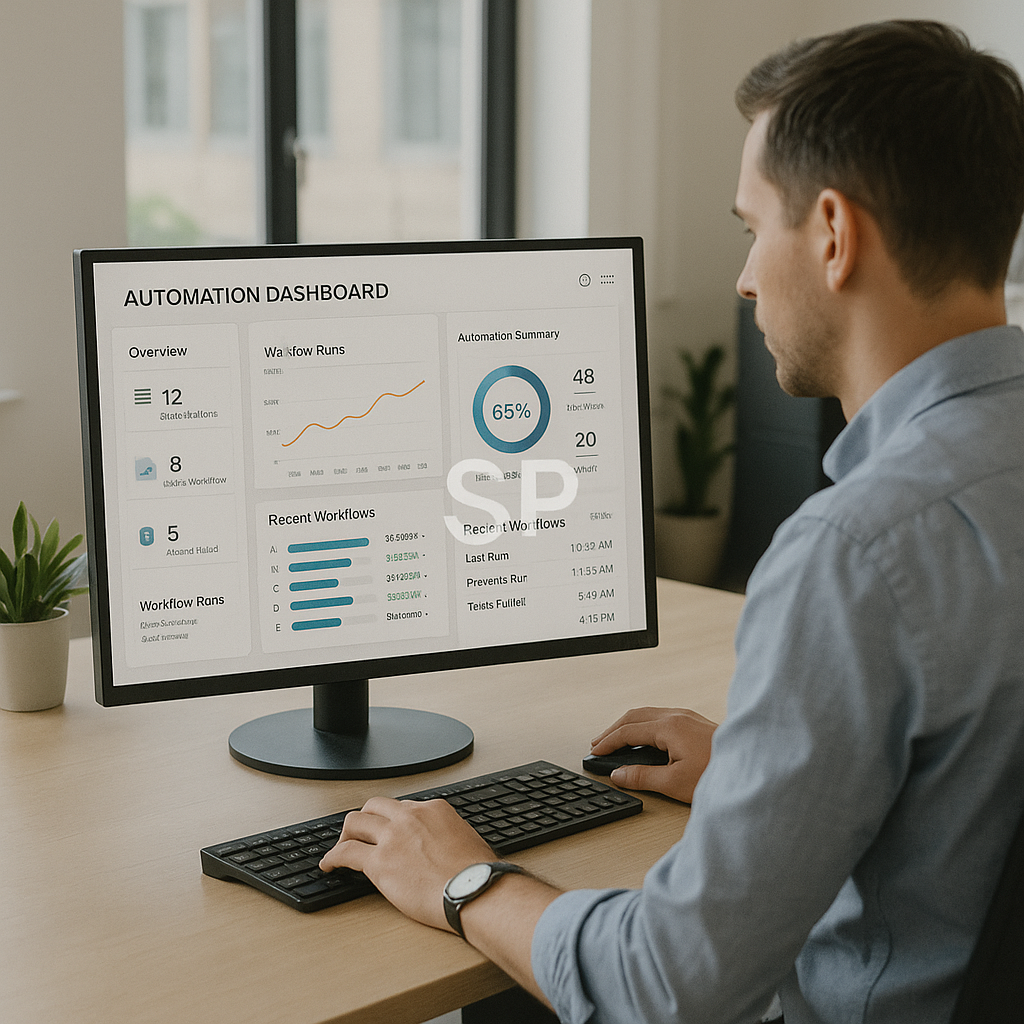


The biggest advantage of automation tools is efficiency. Repetitive tasks like data entry, file transfers, or notifications are handled instantly, leaving more time for creative work. Many companies now save thousands of work hours annually just by adopting simple workflows.

A common question is: “Do I need coding skills to use automation tools?” Absolutely not. No-code platforms like Zapier, Make, and Notion integrations allow anyone to build workflows. A marketing manager I know used Zapier to link her CRM with Slack and Trello, cutting coordination emails by 70%.

Failure stories remind us that automation without planning can backfire. One business automated invoice sending but forgot to include error checks, resulting in dozens of incorrect bills. Customers were frustrated, and trust was damaged. The lesson: automation requires strategy, not just enthusiasm.


A bonus tip is to start small. Automate one task you do daily, like scheduling social media posts or backing up files. Once you see the benefits, expand gradually. This way, automation grows with you rather than overwhelming you.

Another overlooked benefit of automation tools is stress reduction. By removing mental clutter from repetitive tasks, workers experience less burnout. A friend who runs a small design agency said automation gave her “mental space to think big again.” That’s the hidden value of automation — it gives you back your focus.

Looking ahead, AI-powered tools are taking automation further. Instead of just executing rules, they now predict needs, suggest workflows, and adapt dynamically. Imagine tools that not only send reminders but also draft responses based on your habits.
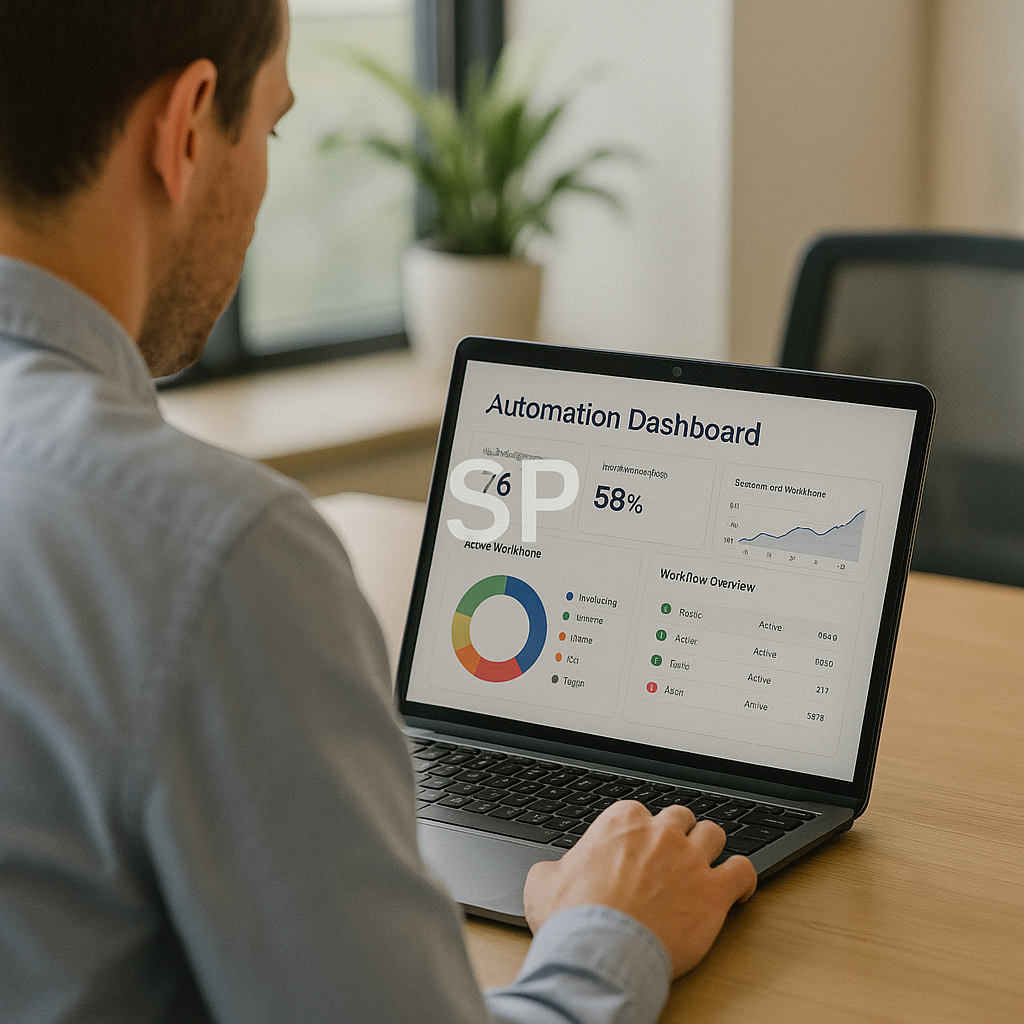


Ultimately, work automation tools are not about replacing humans but about empowering them. By letting machines handle the repetitive, people can focus on creativity, strategy, and human connection — the parts of work that truly matter 🌍💡.

Many people start exploring work automation tools because they want to save time. But over time, the real value becomes clear: automation is about redesigning routines and shaping a smarter way of living. Instead of seeing automation as just a productivity hack, think of it as a mindset shift.

One common mistake is overcomplicating the system too quickly. New users often build dozens of workflows, only to forget how they work. A failure story I recall involved a team that automated every Slack notification possible. Instead of clarity, the constant pings overwhelmed them. Eventually, they disabled everything and lost trust in the process. The lesson? Simplicity scales better. Start with essential automations and grow gradually.
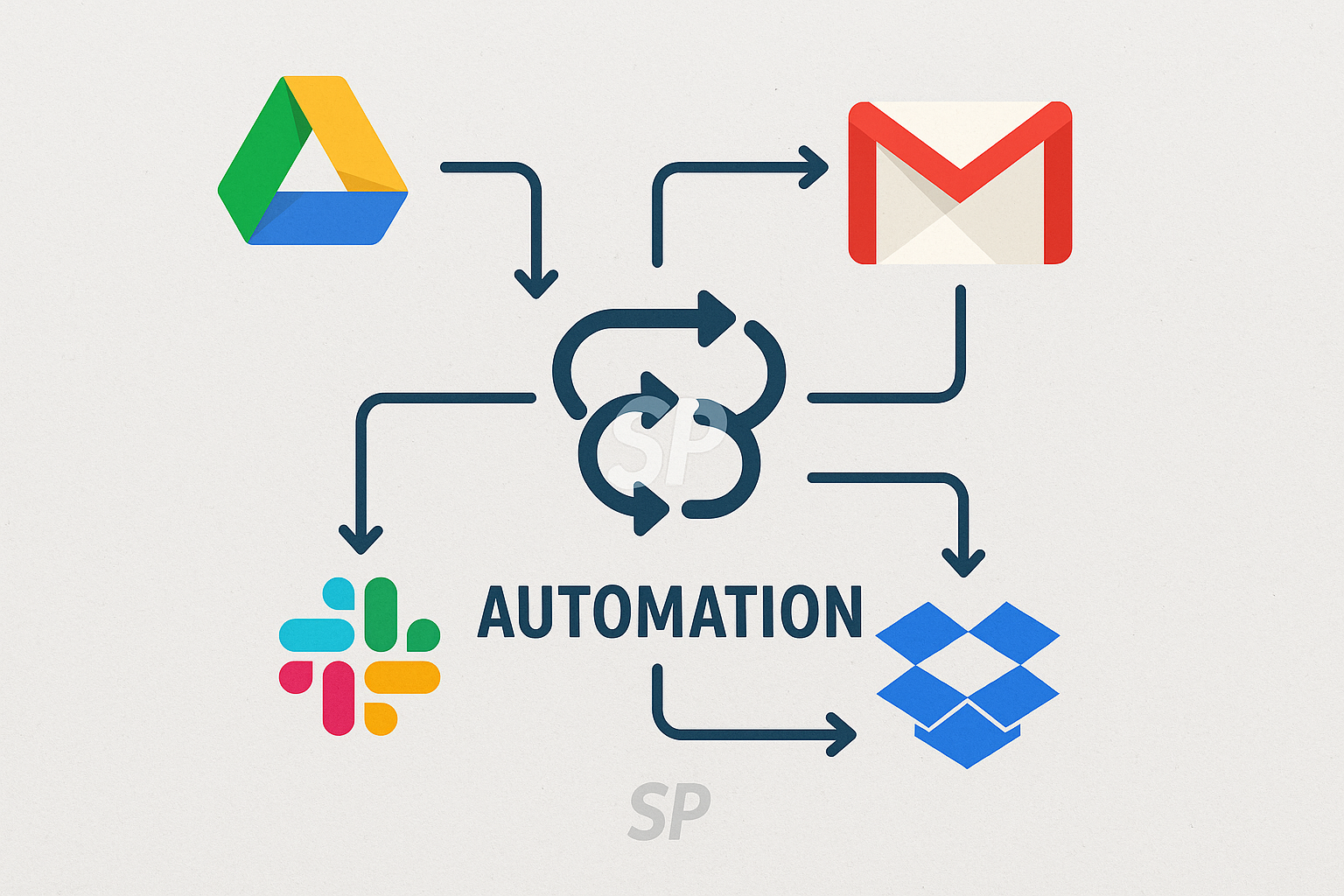


Another overlooked area is integration. Many workers use separate apps for emails, scheduling, and project management. Without integration, automation only goes halfway. By linking platforms — for example, connecting Gmail, Google Calendar, and task managers — you create a smooth ecosystem. A bonus tip is to audit your tool stack regularly. Fewer apps mean fewer chances for error.

Work automation is also about balance. If every task is automated, humans risk disconnecting from meaningful work. A friend once joked that his workflows were so automated he barely checked them — until he missed an important client message. Automation should support awareness, not replace it. That’s why scheduled reviews, weekly or monthly, are essential.

Many ask: “What jobs benefit most from automation?” The truth is, almost all industries do. Designers automate file storage and feedback collection, marketers automate social posts and reports, and freelancers automate invoicing. What matters is tailoring tools to your workflow instead of copying others blindly.


Looking at the future, AI will push automation beyond simple “if-this-then-that” rules. Already, tools can analyze behavior and recommend smarter flows. Imagine a system that notices you spend too much time on emails and automatically suggests batching strategies. This predictive capacity is the next evolution.

Work automation tools are not about replacing creativity but unlocking it. By taking routine tasks off your plate, they free mental space for problem-solving and innovation. Over time, this shift creates not only more productive professionals but also more balanced lifestyles. And that, ultimately, is the deeper promise of automation 🌐⚡.

Digital Lifehacks to Automate Your Workflow in 2025


Let’s be honest—most of us are overwhelmed with tasks.
Between switching tabs, managing inboxes, updating spreadsheets, and remembering what to do next…
it’s easy to burn out before lunch. 😵‍💫
But here’s the good news: you don’t need a full tech team to reclaim your time.
Just the right tools, a few smart habits, and a system that automates you.

In this post, let’s break down realistic digital lifehacks that can help you simplify, streamline, and even eliminate daily tasks—using no-code tools you probably already have access to.

Start With the ‘Rule of Three’: Collect → Decide → Automate

Before you start automating anything, ask yourself:

What do I collect every day? (e.g. client emails, to-dos, screenshots)

How do I decide what matters? (e.g. urgent vs someday)

Can this decision → trigger automation?

For example:
If you collect client messages in Gmail, you can tag them with “invoice” → trigger an automation in Zapier to add them to Notion + generate invoice template + send reminder.

This simple shift—from doing everything manually to making decisions once and letting tools act—is the core of digital self-automation.

The ‘No-Click’ Calendar Setup

Most people use calendars reactively: add a task when something is urgent.
But what if your calendar was your daily assistant?


Try this:

Use Motion or Sunsama to auto-plan your tasks by priority

Sync Google Calendar with Notion database for real-time status updates

Add daily time blocks for recurring habits (review goals, reply to DMs, etc)

Use Cron for cross-timezone scheduling (automates time zone matching)

By setting your system to auto-update and reschedule based on conditions (e.g., incomplete → push to tomorrow),
you stop wasting time thinking about what to do next. Your calendar tells you.

Automated Knowledge Capture (So You Never Forget Again)

Let’s face it—how many great ideas have we forgotten in the shower, during a walk, or in a meeting?

In 2025, tools like these are your second brain:

AudioPen / Whisper Memos: talk, it transcribes and summarizes

Readwise Reader: capture highlights from articles, emails, PDFs

Notion AI Q&A: ask a question about your notes, it gives answers like ChatGPT

Save to Notion / Airtable Web Clipper: one-click saving for structured databases

Bonus: link all of these via Make.com or Zapier so you never touch a file twice.
The moment you read/listen/see → it’s saved, organized, and searchable forever.

Set Up ‘If This, Then Focus’ Environments

Instead of relying on discipline, use environment-based focus rules.

Examples:

If Slack status = “Deep Work”, then:
→ Turn on Do Not Disturb
→ Trigger ambient focus playlist in Spotify
→ Auto-close distracting tabs (via extensions like Workona)

If time = 9am Monday, then:
→ Generate weekly task digest
→ Share auto-summary with team
→ Launch browser with only 3 preset tabs

These small scripts can save hours every week.
And they don’t require coding—just smart use of no-code automators + browser extensions.

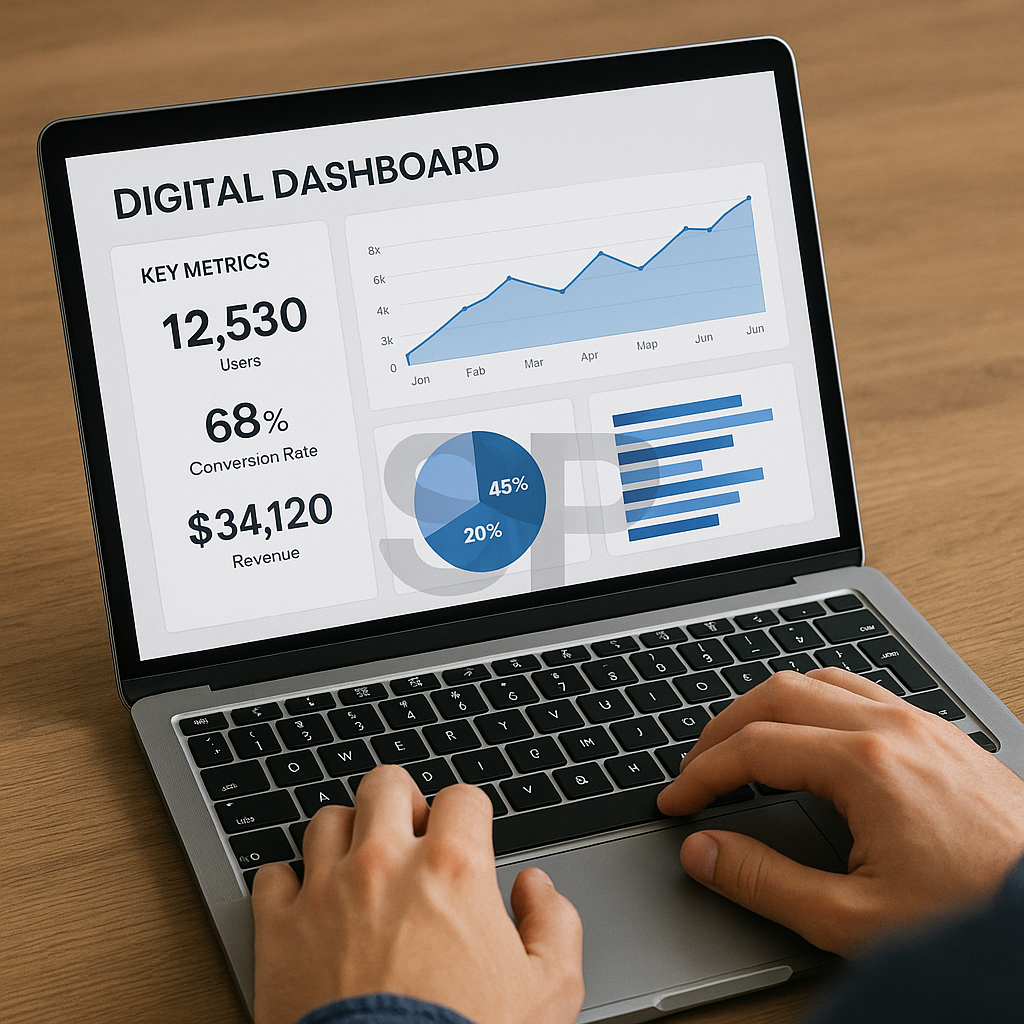
Create a ‘Zero Maintenance’ Dashboard

Think of it like this: your brain isn’t meant to remember, it’s meant to decide.

Set up a self-updating dashboard that surfaces exactly what matters:

Today’s tasks

Priority projects

Stuck items

Reminders (bills, follow-ups)

Real-time progress tracker (e.g., % blog posts published)

Tools like Notion, Coda, Tana, or even a synced Google Sheet can power this.
The key is automation: your dashboard should update without you touching it.


Build Smarter Routines, Not Just Faster Work

Productivity isn’t about doing more—it’s about doing less of the wrong things.
So instead of adding tools, add intention behind how you use them.
Let’s go deeper into real-life automations, tailored for both employees and freelancers in 2025.

Automation Flow for Busy Professionals

Goal: Reduce cognitive load from repeated actions (reporting, meeting summaries, scheduling)

Example System:

Every 9 AM
→ Google Calendar syncs schedule to Slack channel
→ Notion auto-generates a “Daily Briefing” page with key to-dos

During meetings
→ AudioPen captures and summarizes the call
→ Summary pushed to Notion + tagged under the right project


End of Day
→ Emails with subject “Approved” or “Blocked” → trigger a Notion task update
→ Slack bot notifies stakeholders automatically

With just 3 tools (Notion + Zapier + AudioPen), this system cuts 30% of micro-decisions and keeps your team aligned.

Automation Flow for Freelancers & Solopreneurs

Goal: Automate client management, invoicing, and content production

Example System:

When client inquiry hits Gmail
→ Zapier detects keywords like “quote” or “collab”
→ Auto-saves message into Airtable
→ Triggers creation of a new Notion project page

After completing a task
→ Status marked “Done”
→ Google Docs generates invoice from a template
→ PDF auto-attached and emailed via Gmail

Weekly Content System
→ Every Monday, Notion adds fresh blog prompts
→ Linked with Google Trends API for SEO-backed topics
→ Upon draft completion, Buffer schedules posts to social media

With this structure, freelancers can focus on crafting value, not juggling files.

Checklist Before You Automate Anything

Even with powerful tools, automation can backfire if you skip basic checks. Ask yourself:

✅ Are the trigger conditions crystal clear?
(e.g., “every Monday,” “email contains X,” “tag is complete”)

✅ Can you verify the output?
(e.g., where does the data go? How do I know it worked?)

✅ Can you intervene manually?
→ Always have a fallback to pause or override your automation when needed.

Great automation ≠ complex automation. It’s about clarity, safety, and confidence.

Beginner-Friendly Tool Stack (Free-Tier Focus)

If you’re overwhelmed by all the names, here’s a safe starting point:


Purpose Tools Why Use It
Automation Logic Zapier, Make Easy integrations with 1000+ apps
Scheduling Google Calendar + Cron Time-blocking + timezone support
Content Capture Notion + Save to Notion Clean, structured, flexible
Voice Notes AudioPen Fast summaries, voice to text
Reading & Research Readwise / Reader Highlight & sync knowledge

Stick to 2–3 tools at first. As you build routines, automation becomes less of a task—and more of a lifestyle.

The Real Purpose of Automation: Energy Management

It’s tempting to automate everything. But not all tasks are worth automating.

Here’s what actually matters:

Automate things that drain energy or repeat often

Keep manual control over creative, emotional, or strategy tasks

Measure success not in clicks saved—but in clarity gained

If it feels light, seamless, and empowering, you're doing it right.
If it feels fragile, bloated, or confusing—it’s time to simplify again.

The best automation?
It’s the one that makes you forget you’re even using it.
Let your digital routines hum in the background,
while you focus on building, thinking, and simply living better. 💻✨

+ Recent posts