The Art of Lifestyle Hacking: Simple Shifts for Maximum Impact in Daily Life
In an age where technology, information, and resources are more accessible than ever, the idea of lifestyle hacking has moved from a niche interest to a mainstream approach for anyone aiming to live smarter, not harder. Lifestyle hacking is about identifying small, intentional changes that yield disproportionately large benefits in productivity, health, and personal satisfaction. Unlike extreme overhauls that often fail after a burst of motivation, the best hacks fit seamlessly into your current routines.
Think of it as designing your environment and habits so that progress becomes automatic. When you optimize your daily systems, you reduce the mental load of decision-making, free up energy, and amplify the results of every action you take.
1. Start with Micro-Habits That Stack Over Time
Many people think transformation requires grand gestures, but lifestyle hacking starts small. For example, instead of committing to an hour-long workout you might never start, try 10 push-ups every time you wait for your coffee to brew. It’s easy, repeatable, and it triggers a physical cue tied to an existing habit—this is habit stacking in action. Over weeks, these micro-habits compound, shifting your baseline level of health without overwhelming your schedule.
2. Automate Your Decision-Making
Decision fatigue is real. Every day you waste mental energy on trivial choices like “What should I eat?” or “When will I work out?” reduces your capacity for deeper thinking. Automating your environment eliminates these micro-decisions.
Set up recurring grocery deliveries with healthy staples, pre-schedule your workouts on a calendar, or create an automated reminder system for your top three daily priorities. The less time you spend deciding, the more time you can spend doing.
3. Optimize Your Energy Cycles
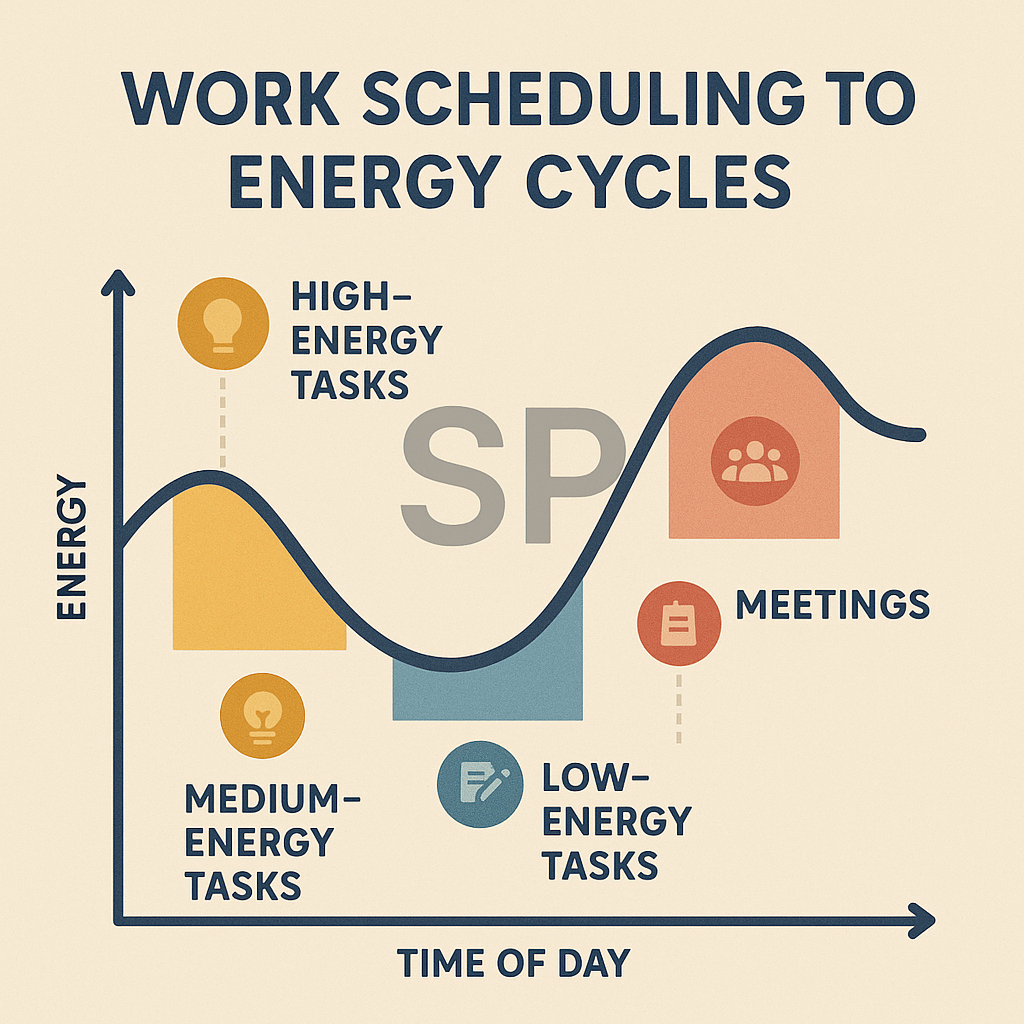
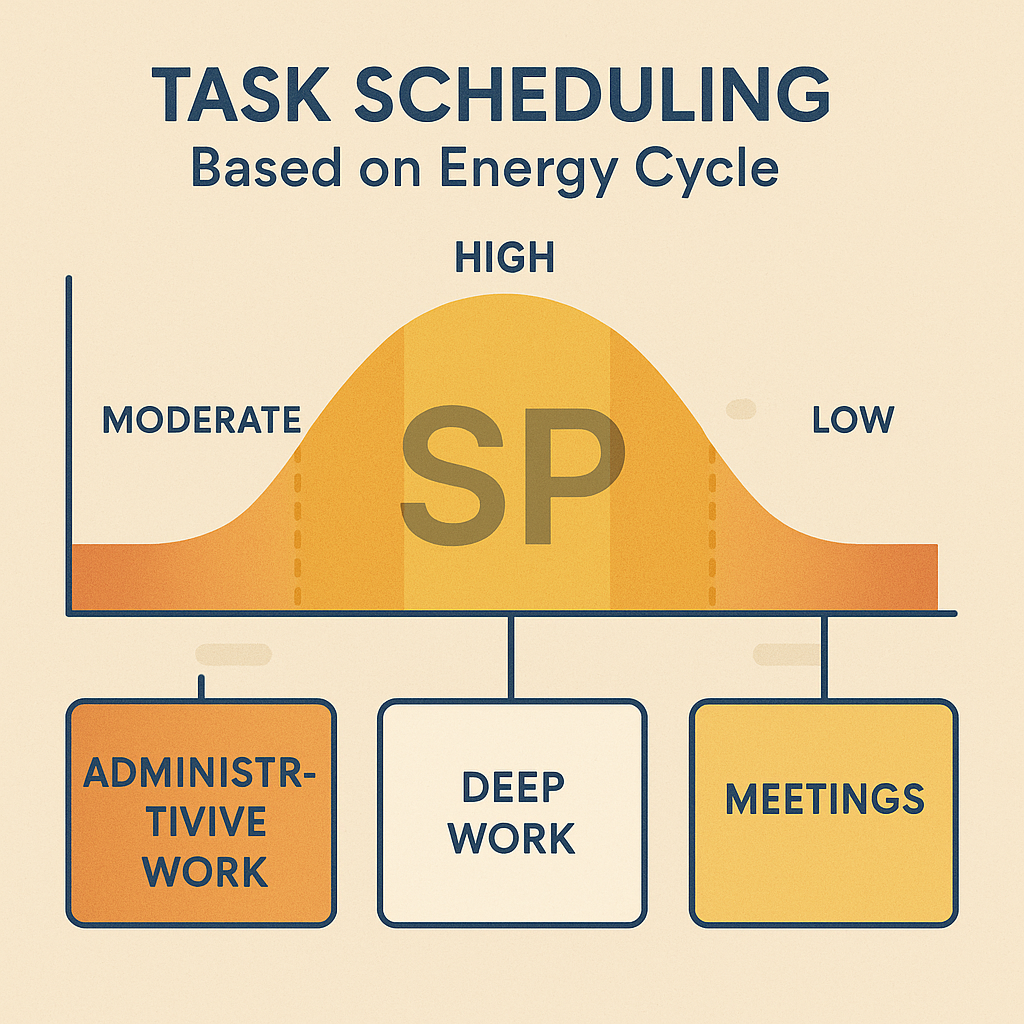
We all have natural peaks and valleys of energy during the day, and lifestyle hacking means matching your most important tasks to your peak energy times. If you’re sharpest in the morning, reserve that block for creative work or problem-solving rather than answering emails. Conversely, schedule routine or administrative tasks during your lower-energy hours. This single shift can double your efficiency without extending your workday.
4. Leverage Technology as a Force Multiplier
From AI writing assistants to project management tools, technology can compress hours of effort into minutes. Tools like Notion or Trello can streamline your workflow, while AI schedulers like Motion can organize your calendar around priority tasks automatically. The key is to adopt technology that reduces friction, not adds complexity. Every tool you choose should either save time, reduce mental load, or eliminate repetitive tasks.
5. Apply the 80/20 Rule Relentlessly
The Pareto Principle—80% of results come from 20% of efforts—is not just a theory; it’s a practical filter for every decision. Identify the activities, relationships, and tools that produce the most meaningful results in your life, and double down on them. Simultaneously, ruthlessly cut the low-impact habits that drain your time without moving you forward. This mindset alone can create hours of extra time each week.
6. Design Environments That Nudge You Toward Success
Your surroundings quietly shape your behavior more than willpower ever could. Keep a water bottle on your desk to encourage hydration. Place your running shoes by the door to prompt daily walks. Remove junk food from visible spaces to make healthy choices effortless. Lifestyle hacking thrives when your environment makes the right choice the easy choice.
7. Build Feedback Loops for Continuous Improvement
Tracking your progress is the difference between drifting and deliberate growth. Use simple tools like habit-tracking apps or even a physical notebook to monitor your habits. Review your data weekly, and adjust based on what’s working and what’s not. Feedback loops keep you honest and ensure your hacks evolve with your needs.
Lifestyle hacking is not about doing more—it’s about doing less, but better. It’s about identifying leverage points in your daily life where small adjustments can create outsized returns. The most successful lifestyle hackers don’t wait for the perfect plan; they start with small changes today, refine as they go, and let the compounding effect of good habits transform their lives.
While the main article laid out the foundational principles of lifestyle hacking, the real transformation comes when you integrate these strategies into the unique rhythms and demands of your personal life. Lifestyle hacking is not a one-size-fits-all formula—it’s a toolkit you customize, test, and refine until it becomes a seamless part of how you live.
One of the most underrated aspects of lifestyle hacking is reducing friction between your intentions and your actions. Many people fail to maintain habits because their environment is set up in a way that constantly requires willpower. If you want to work out in the morning but your workout clothes are hidden in a drawer, that tiny barrier can be enough to derail the plan. Instead, create a “frictionless pathway” by setting out your gear the night before, preparing your workspace for tomorrow’s tasks, or having a pre-written to-do list waiting when you wake up.
Another advanced strategy is to synchronize habit changes with natural life transitions. Moving to a new home, starting a new job, or even the change of seasons disrupts old routines. This disruption is an opportunity to reset and embed new habits while your brain is already adapting to change. If you’ve been wanting to shift your diet, for example, doing so right after a move or during a vacation reset can make the new pattern stick faster.
For those looking to make dramatic gains in productivity, energy auditing can be transformative. Track your mental and physical energy across the day for one week. Identify the high-focus windows and reserve them for tasks that create the most value. By protecting these peak hours from meetings, notifications, or low-priority chores, you maximize the output of your best self without increasing total work hours.
You can also extend lifestyle hacking into the realm of relationships and social environments. Surrounding yourself with people who share or support your goals can act as a living accountability system. This doesn’t mean cutting off all relationships that don’t align with your ambitions, but it does mean being intentional about where you invest your social energy. Your environment isn’t just physical—it’s the people, conversations, and cultural influences you interact with daily.
Technology remains a double-edged sword in lifestyle hacking. Used correctly, it’s a superpower. Used without boundaries, it’s a distraction machine. Set rules for how you interact with tech. For example, turn off non-essential notifications, batch your email checks to specific times, and use website blockers during focus sessions. Remember, lifestyle hacking is not about doing more but creating the conditions where the right things happen almost automatically.
Lastly, cultivate the habit of regular reflection and iteration. No system is perfect forever.
Your needs, resources, and goals will evolve, and your hacks should evolve too. Once a month, review your current systems. Ask yourself: What’s working? What feels like a chore? Where is the resistance building up? Then, tweak one or two elements rather than overhauling everything at once. This iterative approach keeps your lifestyle design fresh and aligned with your reality.
Lifestyle hacking, at its best, turns your life into a series of small, intentional optimizations that, when stacked, create massive positive change. The real magic isn’t in a single hack but in the compounding effect of many tiny improvements sustained over time. When you commit to ongoing refinement, you’re not just hacking your lifestyle—you’re mastering it.